

Pneumatic conveying solution for granulated white sugar
In the conveying stage of white sugar granules, many companies face challenges such as environmental pollution caused by dust fluctuations, low manual handling efficiency, high material damage rates, and insufficient automation in production lines. Traditional conveying methods not only increase labor costs but also easily cause product loss, affecting production efficiency and workshop hygiene.
Material characteristics
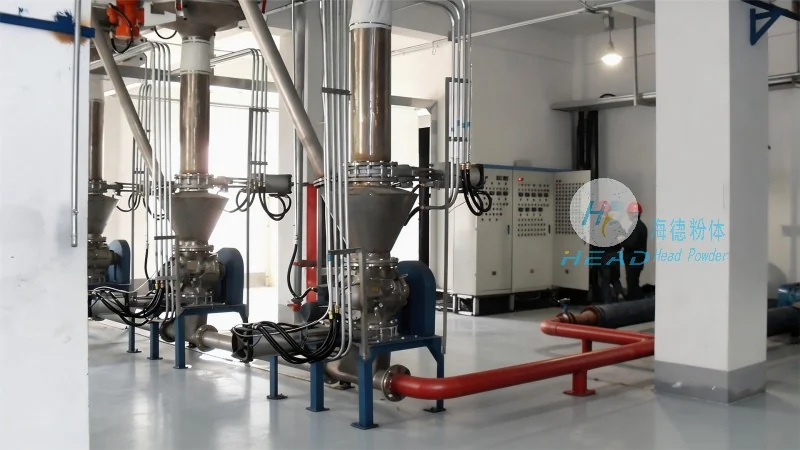
White sugar granules are prone to moisture absorption, clumping easily, sensitive to temperature and humidity, and relatively brittle. During conveying, avoid severe collisions that could cause breakage, and also prevent moisture intrusion, which can cause sticking. In addition, granulated sugar is a food-grade material that requires high cleanliness and sealing performance of conveying equipment.
Product Introduction
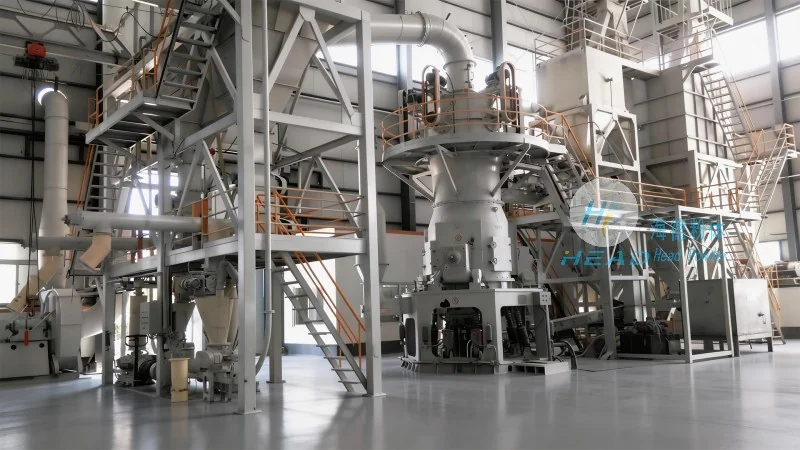
Head Powder provides customized pneumatic conveying solutions and supporting system equipment tailored to the physical properties of granulated sugar granules. This system uses a closed pipeline conveying method, using airflow to transport white sugar granules from the raw material silo to the workstation, with no dust leakage throughout, effectively supporting the workshop environment and material purity. The system can be adapted to either positive or negative pressure conveying modes, flexibly designing pipeline routing and power configurations according to site conditions to meet different production capacity requirements.
Product advantages
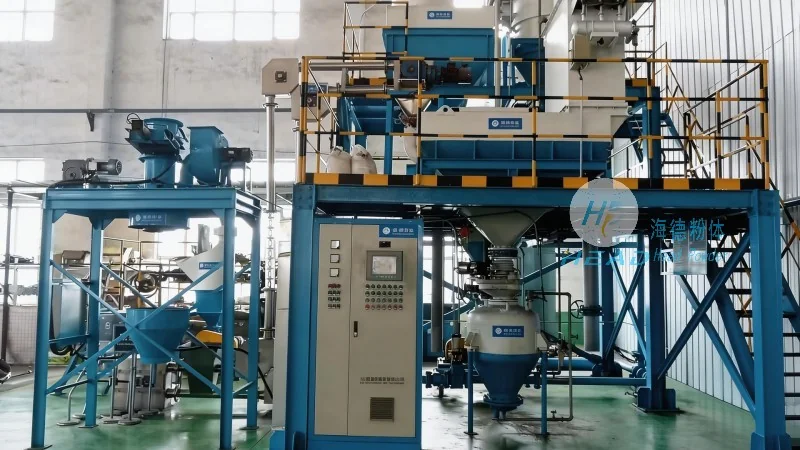
To address customer pain points, this solution offers the following advantages:
1. Sealed conveying: Fully enclosed pipelines prevent dust dispersion, improve the working environment, and comply with food hygiene standards.
2. Low Breakage Design: By optimizing elbow angles and reducing conveying air speed, it effectively decreases the particle crushing rate, helping to improve product quality.
3. Intelligent control: Equipped with an automated control system to enable remote start/stop, flow regulation, and fault alarms, reducing manual intervention.
4. Modular customization: Non-standard design based on workshop layout, conveying distance, and material characteristics helps the system operate normally.