

Case Study of Dilute Phase Negative Pressure Conveying of Plastic Powder in Qujing, Yunnan
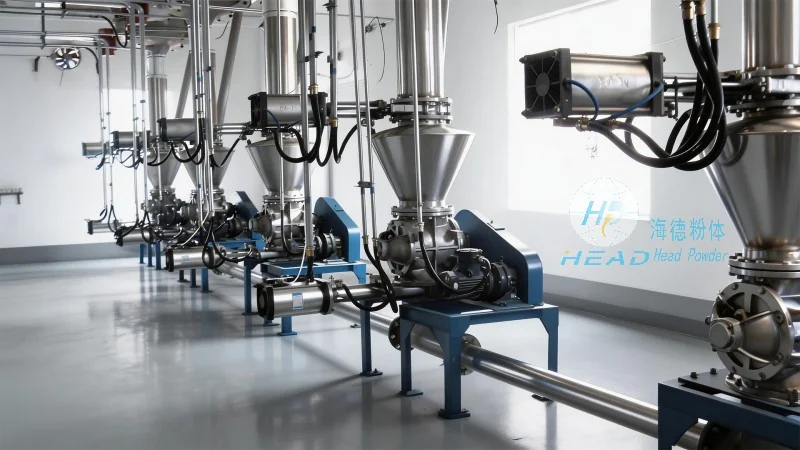
At the plastic powder production site in Qujing, Yunnan, a certain company has long faced problems such as low material conveying efficiency and severe dust pollution. Through on-site surveys and process analysis, Head Powder has customized a rare-phase negative pressure conveying system for them, achieving sealed and automated conveying from the workshop to the storage tank. This case not only addresses the customer's core pain points but also reduces equipment operating energy consumption and maintenance costs, becoming a reference model in the plastic powder transportation sector in Southwest China.
Customer pain points
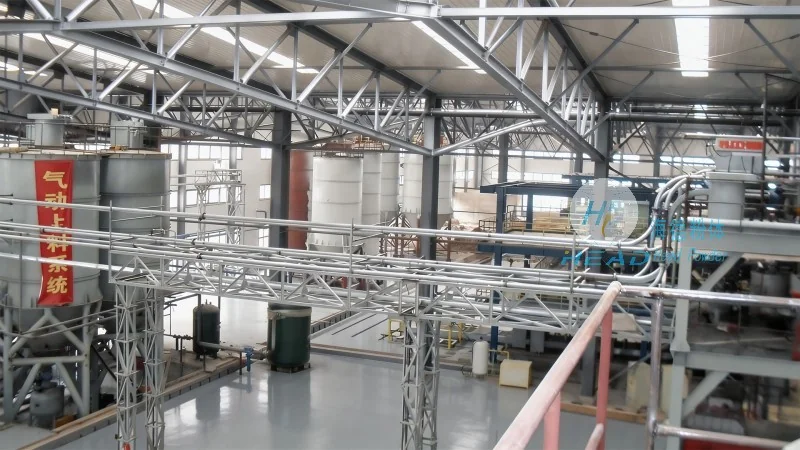
The customer's original conveying method had multiple hidden risks:
1. Severe dust leakage: Open or semi-open conveying causes large amounts of plastic powder to escape in the air, causing not only material waste but also threatening workers' occupational health and failing to meet environmental protection standards.
2. High material breakage rate: Traditional mechanical conveying equipment (such as screws and belts) easily extrude and shear powder, causing particle fragmentation and morphological changes, which affects downstream product quality.
3. High maintenance costs: Transmission pipelines are often blocked, equipment wears out quickly, frequent downtime for maintenance affects production progress, and spare parts replacement costs rise year by year.
4. Low degree of automation: There are many manual operation steps, making it difficult to accurately control the conveying volume, making it difficult to coordinate with existing production lines and causing unstable production rhythms.
Product advantages
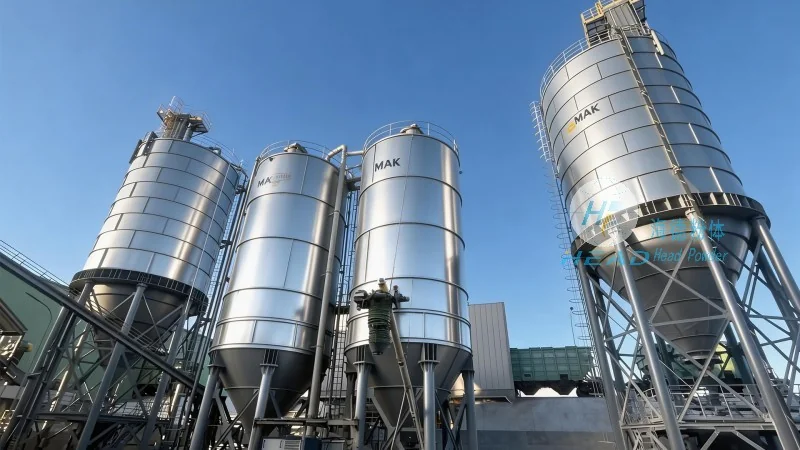
To address these pain points, Head Powder offers a dilute-phase negative pressure pneumatic conveying solution, with main features including:
1. Fully enclosed conveying: The system uses pipeline negative pressure to extract materials, ensuring the entire process from feeding to discharge is sealed with no dust leakage, meeting environmental protection requirements while protecting employee health.
2. Low crushing rate design: The negative pressure dilute phase transport airflow speed is controllable, and the material flows dynamically suspended inside the pipeline, avoiding mechanical squeezing and high-speed impact, maintaining good particle integrity.
3. Intelligent control and energy saving: Equipped with variable frequency speed regulation and PLC automatic control system, it can accurately adjust conveying speed and pressure, reducing energy consumption by about 30%; The system can connect to host computers to enable remote monitoring and production scheduling.
4. Easy maintenance: The inner wall of the pipeline is smooth, making it difficult for material to hang up; Key components are made of wear-resistant materials for a long service life; Modular design facilitates quick disassembly and maintenance. On-site operational data shows that comprehensive maintenance costs are more than 60% lower than those of older systems.