

PE pellet pneumatic conveying solution
In the production, storage, and transportation stages of PE pellets, traditional manual handling or mechanical conveying methods often face issues such as dust blasts, high material loss, low conveying efficiency, and frequent equipment maintenance. Especially when materials require long-distance, multi-point delivery or sealed conveying, existing solutions struggle to balance environmental protection and cost, becoming bottlenecks restricting production line upgrades.
Material characteristics
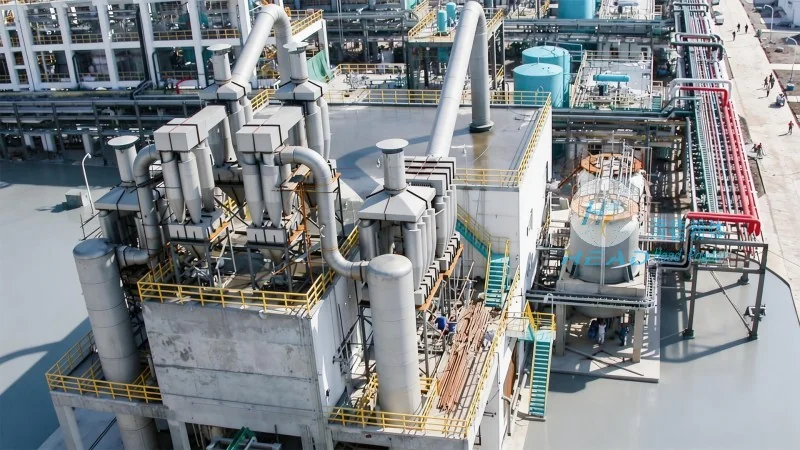
PE pellets (polyethylene pellets) are cylindrical or spherical solids with a diameter of about 2-5mm, a density of about 0.91-0.96g/cm³, good flowability, but a smooth surface that easily generates static electricity and is sensitive to temperature. During conveying, materials must avoid crushing and crushing, dust explosion risks, and impurity contamination, which places high demands on the conveying system's sealing, anti-static capability, and gentleness.
Product Introduction
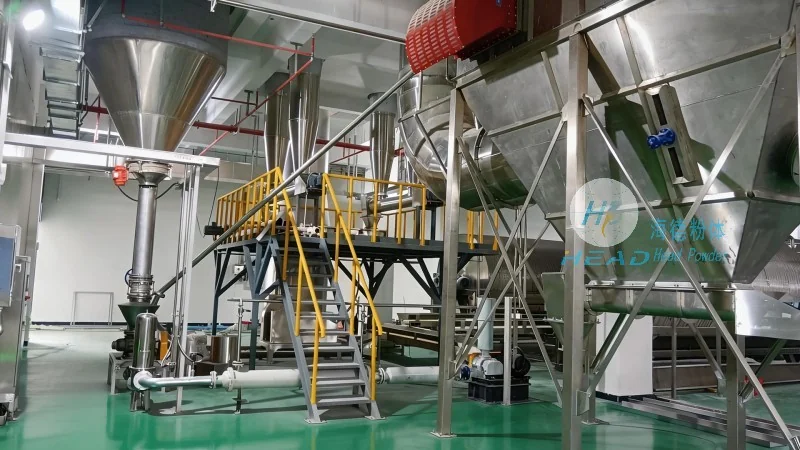
To meet the transportation needs of PE pellets, Head Powder provides pneumatic conveying system equipment for PE pellets, using sealed pipeline positive or negative pressure pneumatic conveying methods, smoothly and cleanly transporting materials from storage silos, packaging machines, or reactors to workstations. The system consists of a feeding device, conveying pipeline, separator, dust collector, and electrical control system. It can be customized to non-standard settings based on customer site space, conveying distance, and production volume, adapting to various production scenarios in chemical, plastics, and building materials industries.
Product advantages
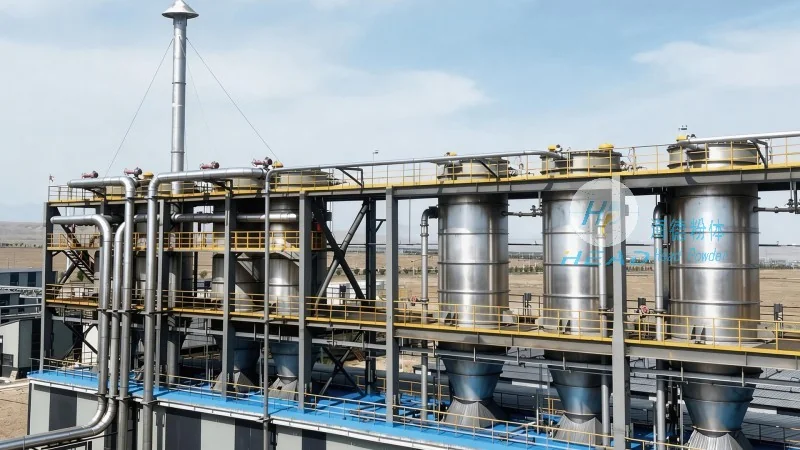
To address customers' pain points in dust control, conveying efficiency, and equipment stability, Head Powder has optimized the system design: using low-wear elbows and anti-static piping to reduce PE pellet damage and static accumulation; Through intelligent variable frequency control and multi-point air source distribution, it achieves more accurate adjustment of delivery capacity and reduces energy consumption; The system operates in a fully enclosed manner, preventing dust leakage from the source and meeting environmental protection requirements; The modular structure facilitates installation and expansion, reducing maintenance costs. In addition, the company provides full-process services from solution design, equipment manufacturing to installation and commissioning, helping ensure the continuous operation of the system.