

Pneumatic conveying solution for antioxidant powder
During the production and use of antioxidant powders, traditional manual feeding and mechanical conveying methods often face issues such as dust emissions, severe environmental pollution, and significant material loss. At the same time, antioxidant powders easily absorb moisture and clump together, leading to blockages in transportation pipelines and inaccurate measurement, which affects product quality and production continuity. In addition, manual operation efficiency is low and labor intensity is high, making it difficult to meet the demands of large-scale, automated production.
Material characteristics
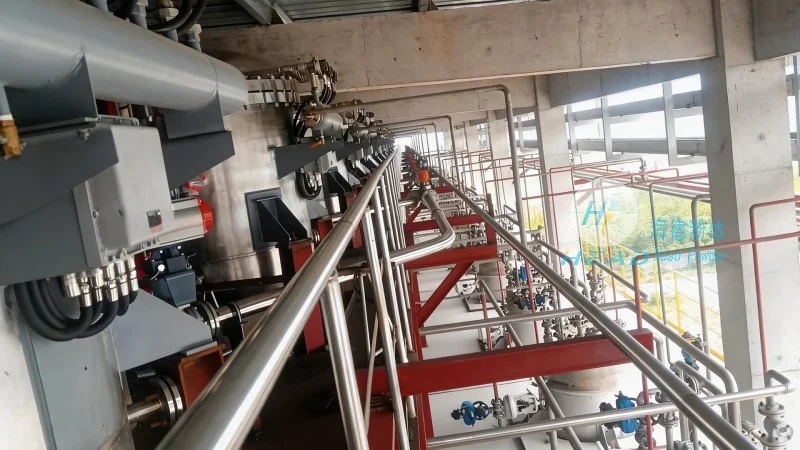
Antioxidant powders typically have small particle size, low density, easy lifting, and strong moisture absorption; some varieties also have typical viscosity or heat sensitivity. During transportation, airflow speed and temperature must be strictly controlled to avoid material damage, deterioration, or pipeline blockage. Its fluidity is significantly affected by humidity, placing high demands on the sealing, moisture-proof capability, and anti-static properties of the conveying system.
Product Introduction
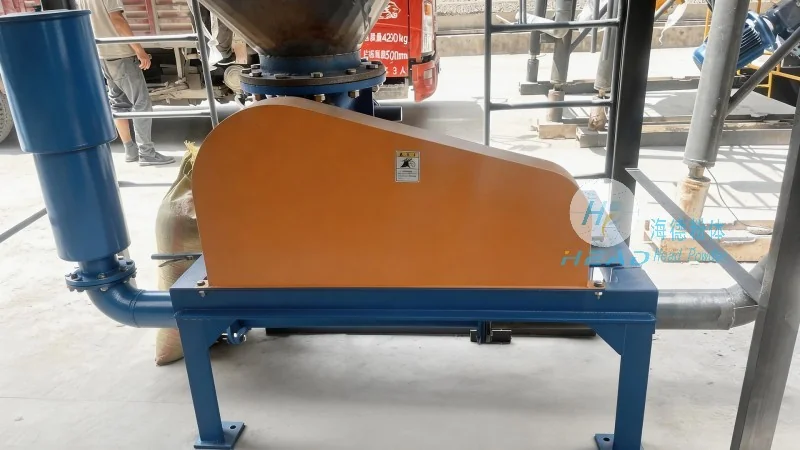
The pneumatic conveying system for antioxidant powders provided by Head Powder uses either positive pressure dense phase or negative pressure dilute phase conveying processes, and is specially designed for antioxidant powders. The system consists of a feeding device, conveying pipelines, air source equipment, dust separation and removal device, and an intelligent control unit, enabling fully enclosed automated operations from feeding and conveying to material collection. The equipment is made of stainless steel or anti-static carbon steel, with polished inner walls to meet food-grade or chemical-grade hygiene requirements. Depending on material characteristics, auxiliary modules for dehumidification, cooling, and screening can be selected.
Product advantages
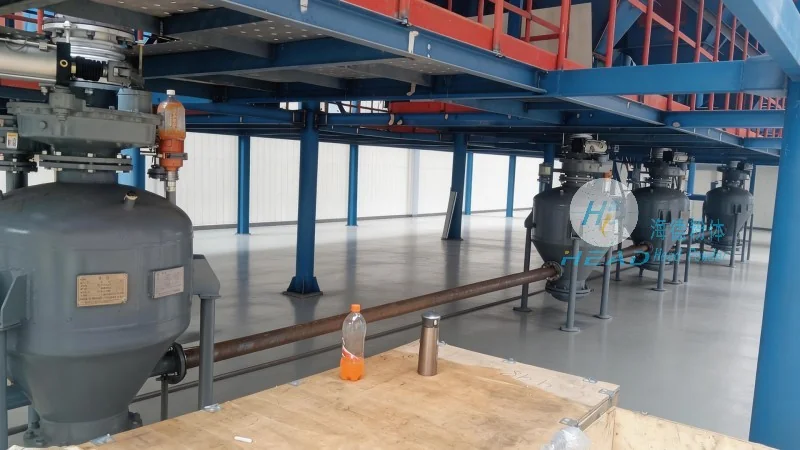
To address customer pain points, Head Powder offers the following solutions: fully enclosed conveying routes to effectively control dust leakage, improve the working environment, and reduce material waste; Employs dedicated arch-breaking devices for pneumatic conveying and pulse back-blow filtration technology to solve problems of material caking and pipeline blockages; Integrated weighing and weighing and PLC control systems enable more accurate feeding and remote monitoring, reducing manual intervention; Modular design allows for quick customization of solutions based on capacity, layout, and material characteristics, supporting flexible configuration of multiple feed and discharge ports.