

Pneumatic conveying solution for cement raw powder
In the cement production process, the conveying stage of raw powder often faces challenges such as high energy consumption, severe pipeline wear, significant dust pollution, and poor system stability. These pain points not only affect production efficiency but also increase operating costs and maintenance workload. To address these practical challenges, Head Powder has developed a dedicated cement raw meal pneumatic conveying system based on years of pneumatic conveying experience, helping users achieve efficient, clean, and reliable material transfer.
Material characteristics
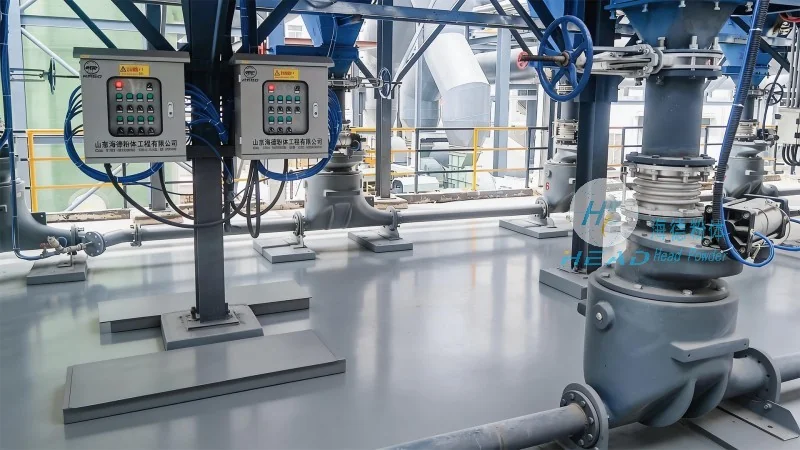
Cement raw powder is a fine-grained, medium-density powdered material with typical abrasive and hygroscopic properties. Their particle sizes are usually between several tens of microns and several hundred microns, with average flowability and a tendency to generate dust. During pneumatic conveying, it is necessary to reasonably control the airflow speed and material-air ratio to avoid deposition, blockage, or excessive wear. At the same time, moisture prevention measures must be considered to support stable material quality.
Product Introduction
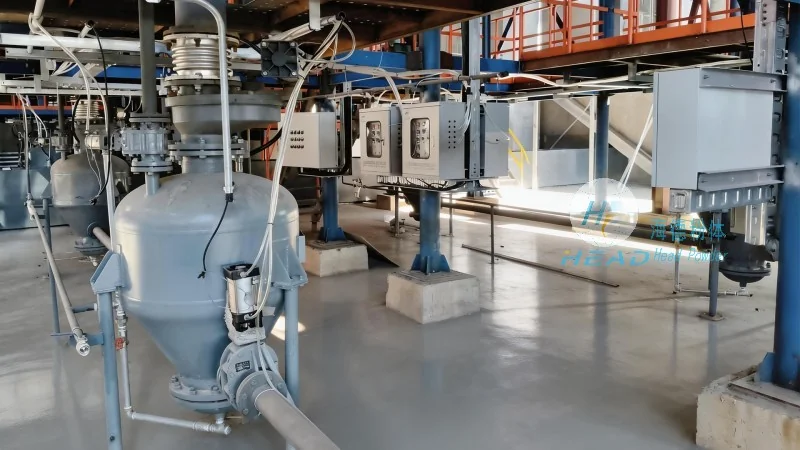
The cement raw powder pneumatic conveying system provided by Head Powder uses either positive or negative pressure conveying methods, with targeted designs tailored to on-site process conditions. The system consists of a feeding device, delivery pipelines, air source equipment, dust separation and removal device, and control system. Core components are made of wear-resistant materials, and pipeline layout is optimized to reduce the number of elbows and resistance. The control system can monitor parameters such as pressure and flow in real time, enabling automated operation and reducing manual intervention.
Product advantages
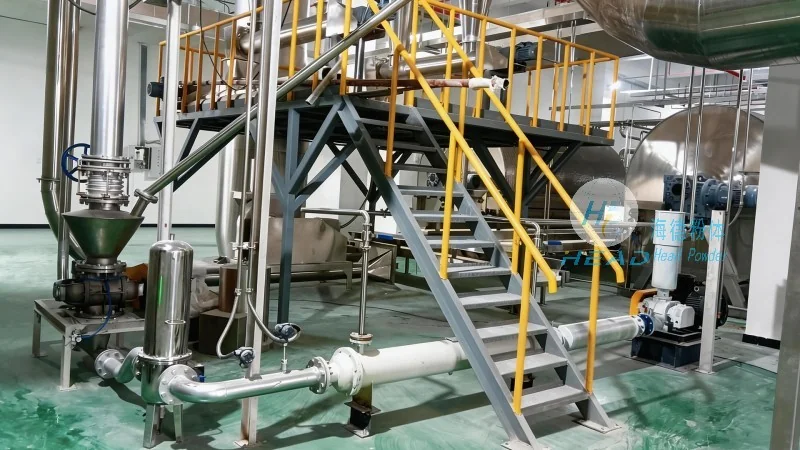
To address customer pain points, Head Powder's solution focuses on three aspects: first, by designing reasonable airflow speed and material-air ratio, it reduces energy consumption and pipeline wear; Second, using sealed conveying and high-efficiency dust collection technology to control dust leakage from the source, improving the working environment; Third, modular design and intelligent control simplify maintenance processes and improve the stability of continuous system operation. In addition, the company provides full-process services from solution design and equipment manufacturing to installation and commissioning, helping systems adapt to customers' actual working conditions.