

Pneumatic conveying solution for fine powder grinding for construction waste
During the transportation and storage of fine powder for construction waste, it often faces issues such as dust pollution, high material loss, low conveying efficiency, and high equipment maintenance costs. Traditional mechanical conveying methods struggle to adapt to the flow of fine powders, easily causing pipeline blockages, dust dispersion, and occupying large areas with high energy consumption. Many companies face challenges in environmental compliance, production continuity, and cost control.
Material characteristics
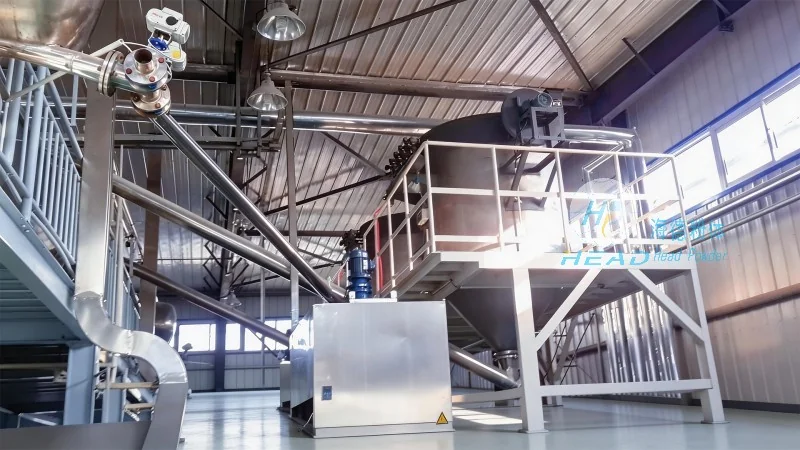
The main components of construction waste grinding powder are concrete, brick, mortar, and other fine powders formed after crushing and grinding. The fineness usually reaches 80~200 mesh, with a relatively low moisture content (generally <2%), and features poor flowability, easy moisture absorption, irregular particles, and large density fluctuations. Materials are prone to static electricity, dust, and adhesion during transportation, placing high demands on the conveying system.
Product Introduction
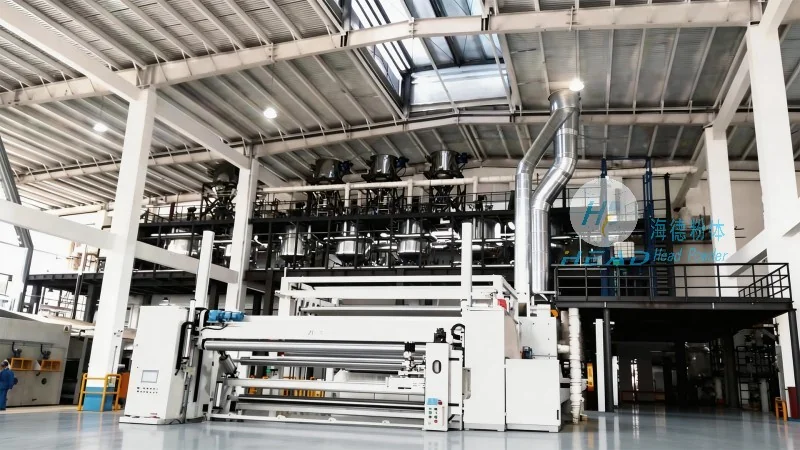
The pneumatic conveying system for fine powder ground materials provided by Head Powder uses positive or negative pressure dense phase conveying technology, customizing designs for the special physical properties of fine powder. The system consists of air source equipment, feeding devices, conveying pipelines, dust separation and removal equipment, and an intelligent control system to achieve sealed, efficient, and low-energy material delivery. The equipment can be flexibly configured according to customer site space, conveying distance, and production requirements, helping ensure normal system operation and long-term reliability.
Product advantages
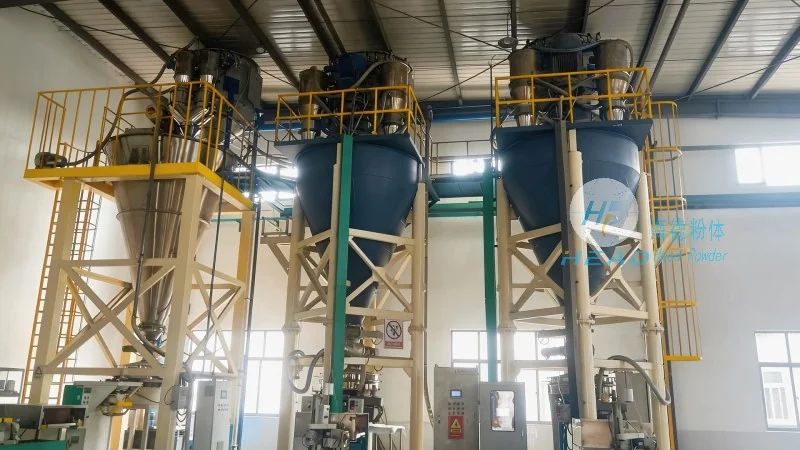
To address customer pain points, this system offers the following solutions: Effectively suppresses dust leakage through fully enclosed pipeline conveyance, meeting environmental protection requirements; Equipped with anti-clogging and anti-wear designs to reduce downtime and maintenance time; Modular structure facilitates installation and expansion, adapting to different production lines; The intelligent control system can monitor parameters such as pressure, flow rate, and material level in real time, enabling automated operation and remote management, thereby reducing the cost of manual intervention. The overall solution supports material quality while improving conveying efficiency and reducing operating costs.