

Case study of anti-caking milk powder conveying in Yueyang, Hubei
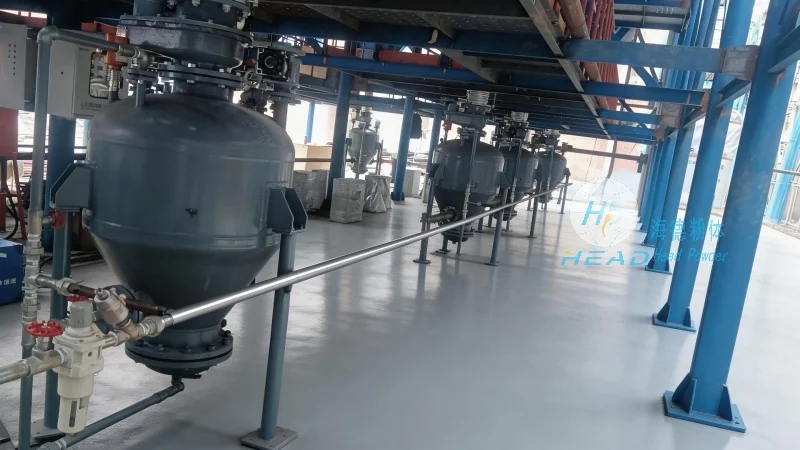
In the powder conveying process of a milk powder production company in Yueyang, Hubei, materials frequently clumped due to humidity, static electricity, and particle shape, leading to blockages in delivery pipelines and frequent equipment shutdowns for maintenance, seriously affecting the continuous operation efficiency of the production line. To address this common industry challenge, Head Powder customized a dedicated anti-caking pneumatic conveying system for milk powder, ensuring uniform material delivery and normal production line operation.
Customer pain points
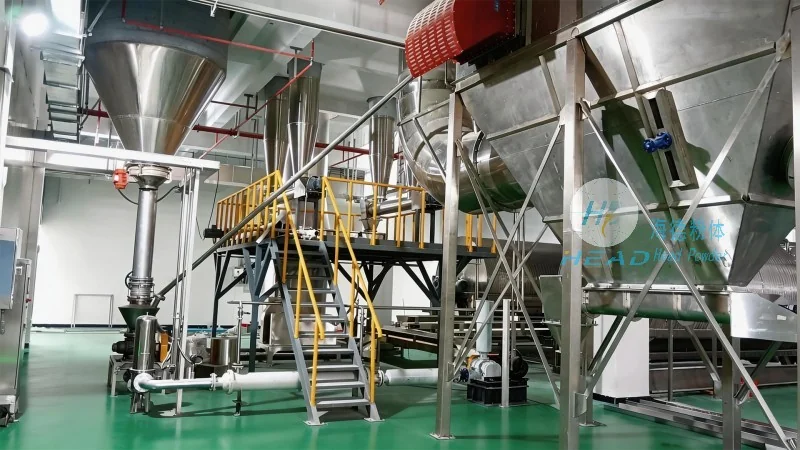
The company's original conveying method used traditional mechanical lifting and vibration feeding. During transport, the milk powder was easily affected by environmental humidity, leading to moisture absorption and clumping. At the same time, residual powder on the inner wall of the pipeline formed a "wall-hanging" layer, further worsening the blockage. In addition, manual cleaning is frequent, time-consuming, labor-intensive, and poses a risk of cross-contamination, directly affecting product quality and capacity utilization.
Product advantages
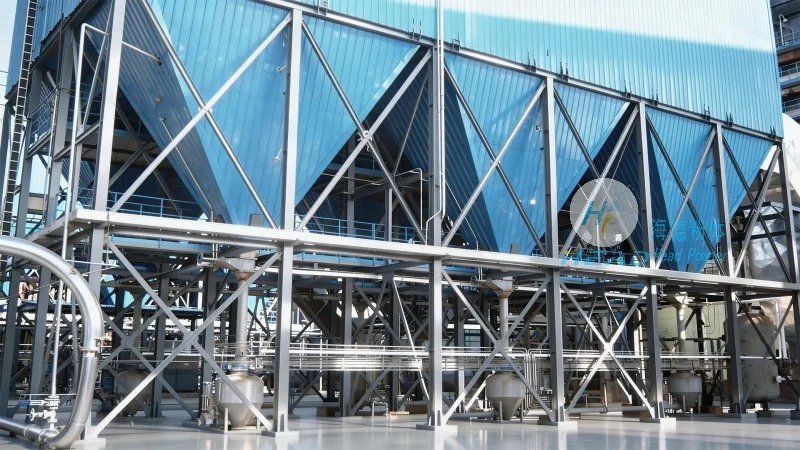
Head Powder provides an integrated pneumatic conveying solution to prevent caking in formula: using low-flow dense phase conveying technology to reduce material collision and friction inside the pipeline; Equipped with dedicated anti-caking nozzles and fluidization devices, continuously subjecting the material to micro-vibrations and airflow disturbances during conveying to damage the caking structure; The inner walls of the pipes are polished with a mirror polish and coated with a food-grade anti-stick coating to reduce material adhesion. The entire system is equipped with an intelligent monitoring module that provides real-time feedback on the conveying status and automatically adjusts air volume, enabling unmanned normal operation. After commissioning, the blockage failure rate dropped by about 90%, the cleaning cycle was extended by more than fivefold, and overall energy consumption dropped by about 15%.