

Pneumatic conveying solution for electrolytic alumina powder
During the production process of electrolytic aluminum, the conveying stage of alumina powder often faces issues such as dust dispersion, high material loss, severe equipment wear, high energy consumption, and complicated manual operations. These pain points not only affect the production environment and employee health, but also increase operation and maintenance costs and downtime risks, restricting improvements in production line efficiency.
Material characteristics
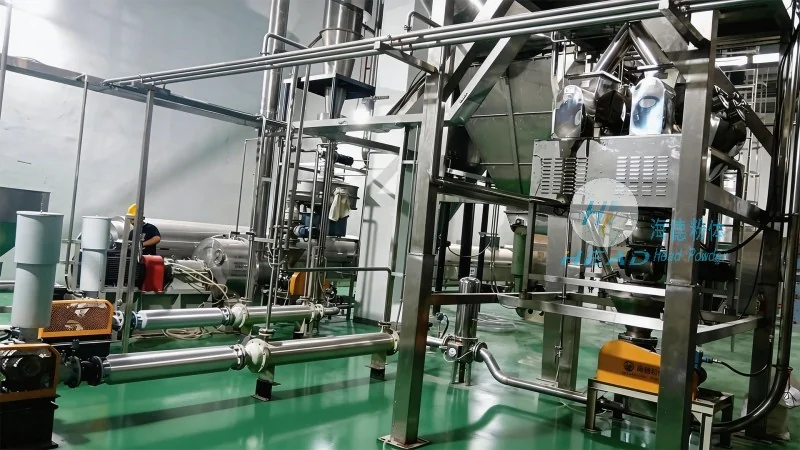
Alumina powder is characterized by fine particles, good fluidity, easy lifting, strong abrasiveness, and relatively high temperature. During conveying, it demands high sealing, wear resistance, and stability. Traditional mechanical conveying methods struggle to balance efficiency and environmental protection, urgently requiring more suitable solutions.
Product Introduction
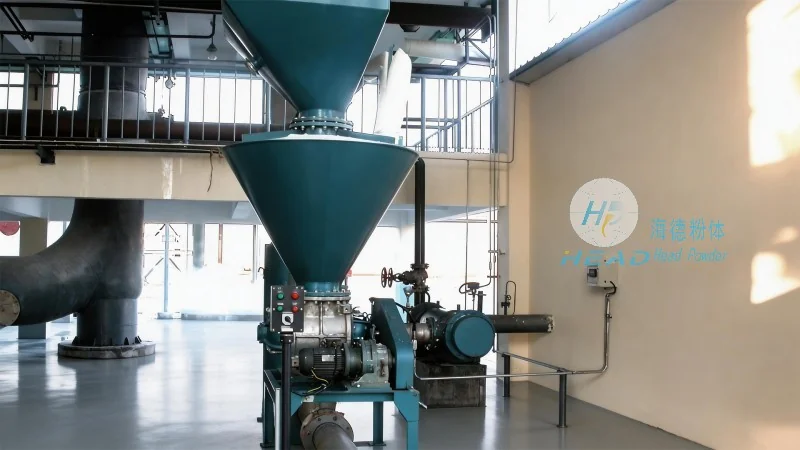
Head Powder's electrolytic alumina powder pneumatic conveying system uses sealed pipeline conveying methods of positive or negative pressure, integrating high-efficiency transmitters, wear-resistant pipelines, intelligent control valve groups, and dust collection units. This system can be customized according to factory layout, capacity requirements, and material characteristics, enabling automated, low-loss, and dust-free transfer of alumina powder from storage to electrolyzer.
Product advantages
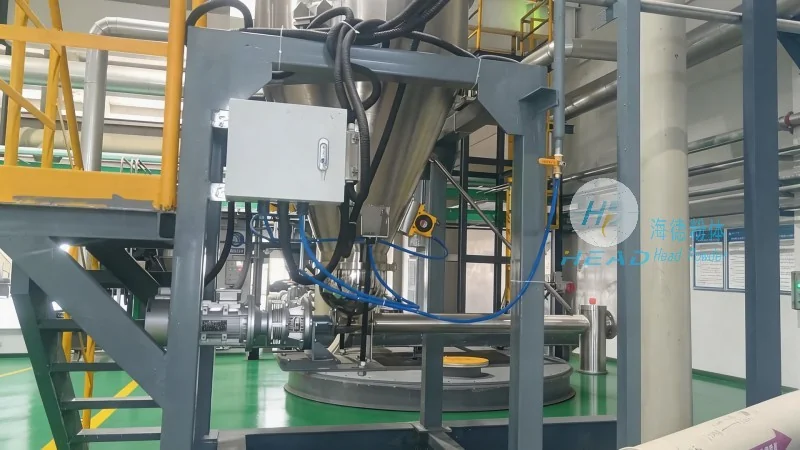
To address customer pain points, we propose a systematic solution: fully enclosed pipeline transportation to prevent dust leakage from the source, improving the workshop environment; Selected high-wear-resistant lining materials to extend equipment lifespan and reduce replacement frequency; Reduces unit energy consumption per conveying through variable frequency control and air volume optimization; Introduced a PLC automatic control system to achieve one-touch start/stop, fault alarms, and remote monitoring, reducing manual intervention. These designs improve conveying reliability while helping companies achieve green production while reducing costs and increasing efficiency.