

Pneumatic conveying solution for granular charcoal
During the processing and use of granular carbon, traditional mechanical conveying methods (such as belts, bucket lifts, and screws) often face issues such as easily crushed materials, dust accumulation, severe equipment wear, and low conveying efficiency. Additionally, granular carbon is prone to blockages in pipelines or silos due to its low density, uneven particle size, and poor flowability, leading to production interruptions. Environmental regulations are becoming increasingly stringent, and open conveying operations also bring occupational health risks and environmental pollution hazards. How to achieve low-damage, zero-leakage, and stable granular carbon conveying has become an urgent problem for the industry to solve.
Material characteristics: The special properties of granular carbon
Granular carbon (also known as activated carbon granules) has a porous structure, high specific surface area, brittleness and brittle texture, low density, and generally hygroscopicity. Their particle size is usually between 0.5~4 mm, irregular in shape, and a high coefficient of friction between them, making static electricity accumulation easily occur. Under the influence of airflow, pellet carbon is highly prone to producing fine powder due to collision and friction, which not only affects product quality but also increases post-processing difficulty. Therefore, it is recommended that the conveying system combine low impact, low shear, good sealing, and anti-static design.
Product Introduction: Head Pneumatic Powder Granular Charcoal Conveying System
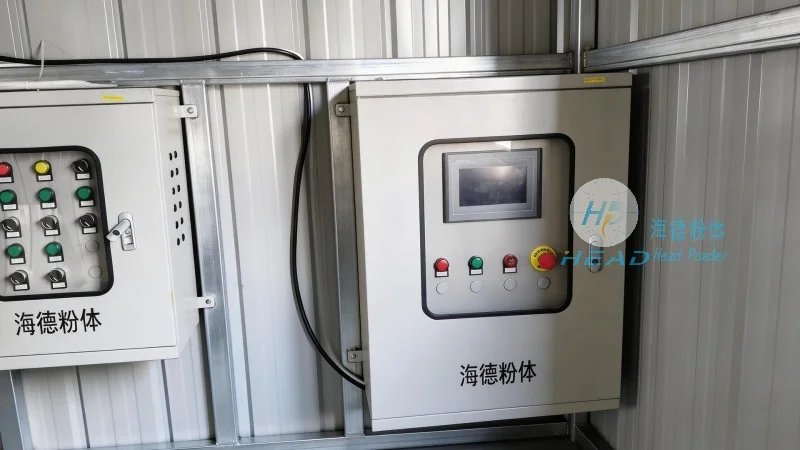
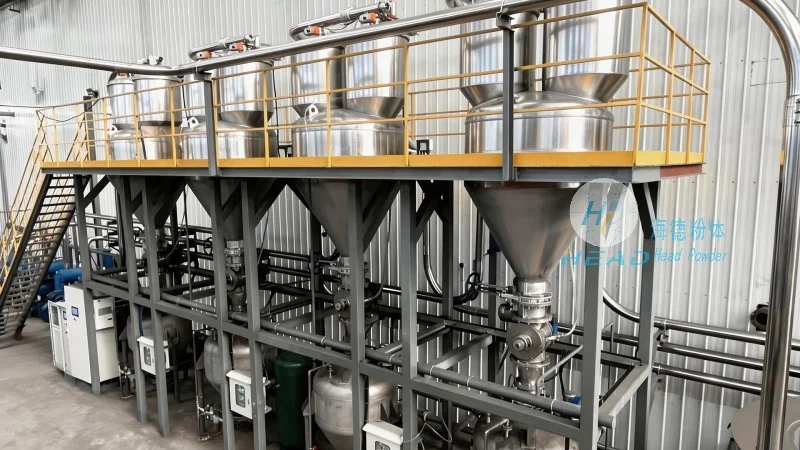
Head Powder provides customized pneumatic conveying solutions and conveying system equipment tailored to the material characteristics of granular carbon. The system uses positive pressure dilute phase or dense phase conveying methods, powered by compressed air or nitrogen, and transports granulated carbon from the feed end to the workstation through sealed pipelines. Core components include rotary feeding valves, silo pumps, directional valves, dust collectors, and control systems. All parts in contact with materials are made of wear-resistant, anti-static materials, and conveying distances, turning radii, and discharge methods can be flexibly designed according to the customer's site layout. The system supports fully automated operation and integrates weighing, metering, purging, and backblowing functions to achieve dust-free, low-noise, continuous, and stable conveying.
Product Advantages: Targeted solutions to transportation challenges
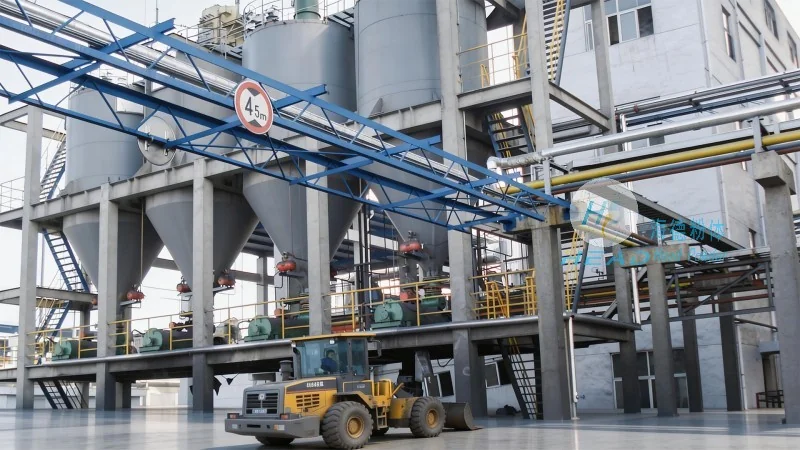
To address pain points such as easy breakage, dust generation, and clogging of granular carbon, the Head Pneumatic Carbon Granular Carbon Conveying System has the following main features:
1.Low damage conveying: By optimizing pipeline flow rate and adopting dense phase low-speed pulse conveying technology, collisions between particles and between particles and the pipe wall are reduced, effectively controlling the crushing rate.
2.Airtight and environmentally friendly: Fully sealed pipeline operation combined with high-efficiency dust removal and filtration devices to achieve dust-free emissions and meet environmental compliance requirements.
3.Highly adaptive anti-blocking: Customize pipeline inner diameter, elbow curvature, and gas replenishment devices according to material characteristics, combined with automatic plugging procedures to reduce the risk of blockage.
4.Customized services: From material testing, solution design, equipment manufacturing to installation and commissioning, we offer full-process, on-demand customization, helping the system seamlessly integrate with customers' existing processes.