

Pneumatic conveying solution for silicon carbide particles
During the processing and transportation of silicon carbide pellets, many enterprises face challenges such as easily crushed materials, dust accumulation, low conveying efficiency, and rapid equipment wear. Traditional mechanical conveying methods not only fail to ensure particle integrity but also easily cause environmental pollution and equipment failures, resulting in high production costs and affecting production continuity.
Material characteristics
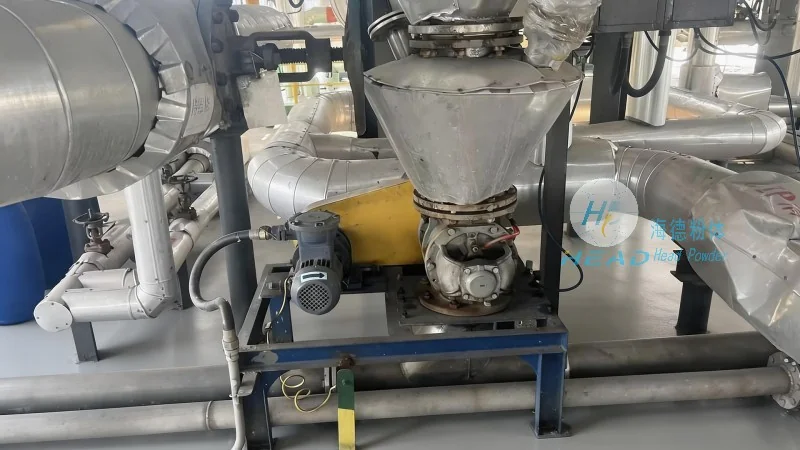
Silicon carbide particles have characteristics such as high hardness, high brittleness, and strong abrasiveness, with irregular particle shapes and relatively high density. During conveying, equipment requires extremely high wear resistance, sealing, and speed control. Any improper design can lead to particle damage, pipeline blockages, or excessive equipment wear.
Product Introduction
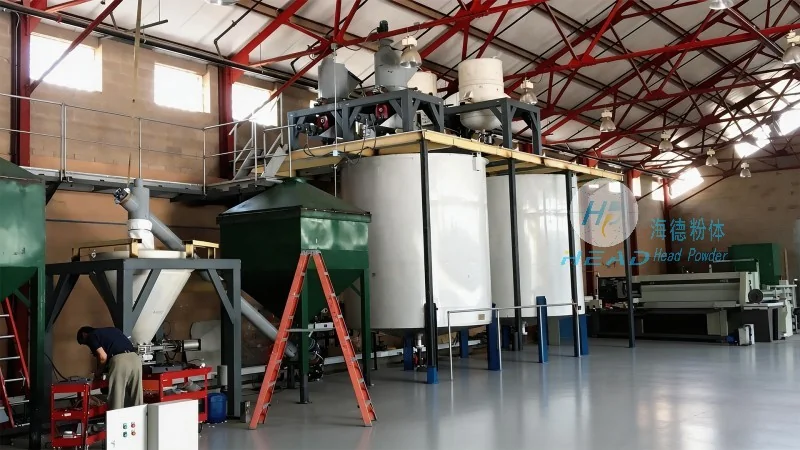
Head Powder's pneumatic conveying solution for silicon carbide particles uses sealed pipeline airflow conveying, utilizing compressed air or inert gas as power to transport silicon carbide particles from one point to the position. The system equipment includes feeding devices, conveying pipelines, separators, dust collectors, and intelligent control systems. The entire line uses wear-resistant materials to effectively withstand the impact and friction of high-hardness particles. The solution can be customized according to the customer's site layout, capacity requirements, and material characteristics to meet the conveying requirements of production lines of different scales.
Product advantages
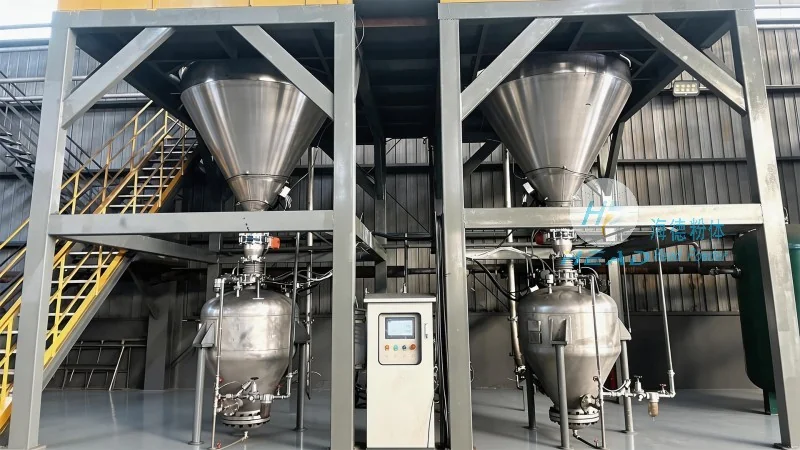
To address customer pain points, Head Powder offers targeted solutions from the following aspects:
- Reduces particle breakage: Optimized airflow velocity and pipeline elbow angle, adopting a low-speed, high-concentration conveying mode to reduce particle collision and breakage.
- Prevents dust from escaping: Fully enclosed pipeline system combined with high-efficiency dust removal devices enables dust-free operations, improves the working environment, and meets environmental protection requirements.
- Extend equipment lifespan: Key components use wear-resistant ceramic or high-chromium alloy linings to improve wear resistance and reduce maintenance frequency.
- Improving conveying efficiency: The intelligent control system adjusts airflow and material-air ratio in real time, adapting to different working conditions and helping to ensure continuous and stable feeding.