

Hunan Chenzhou Fly Ash Negative Pressure Dust-Free Conveying Project
A waste-to-energy incineration power plant in Chenzhou, Hunan, faces severe environmental and efficiency challenges in the fly ash treatment process. Traditional mechanical conveying methods suffer from obvious dust generation, rapid equipment wear, and high maintenance costs, and cannot meet increasingly stringent environmental emission standards. To address this, a company introduced the Head powder fly ash negative pressure dust-free conveying system, achieving fully sealed, dust-free operations from collection and conveyance to storage, improving the on-site environment and reducing labor and energy costs.
Customer pain points
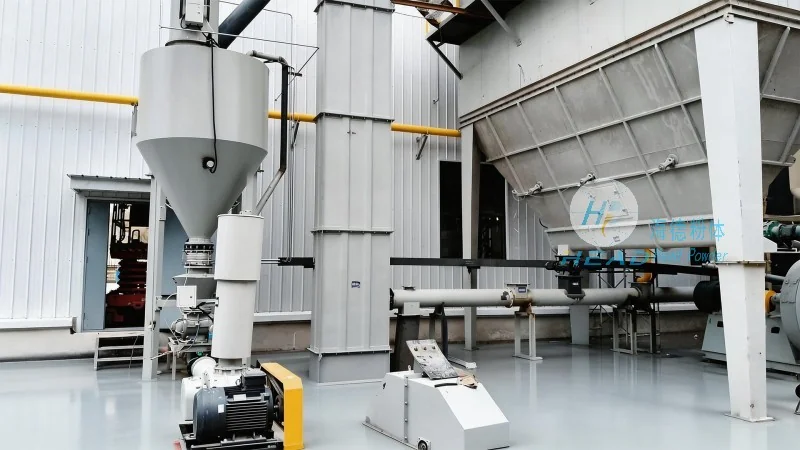
The plant's original fly ash transport used a combination of positive pressure pneumatic and mechanical conveying, resulting in multiple leak points and excessive dust concentrations around the ash silo. This not only affects operator health but also exposes the risk of hefty fines from environmental protection authorities. At the same time, frequent blockages in transmission pipelines and susceptibility to equipment corrosion mean that 2~3 shutdowns are needed for maintenance on average each month, severely restricting the normal operation of generator sets. In addition, traditional systems consume high energy and are noisy, making them unsuitable for meeting enterprises' needs for energy saving, consumption reduction, and automation upgrades.
Product advantages
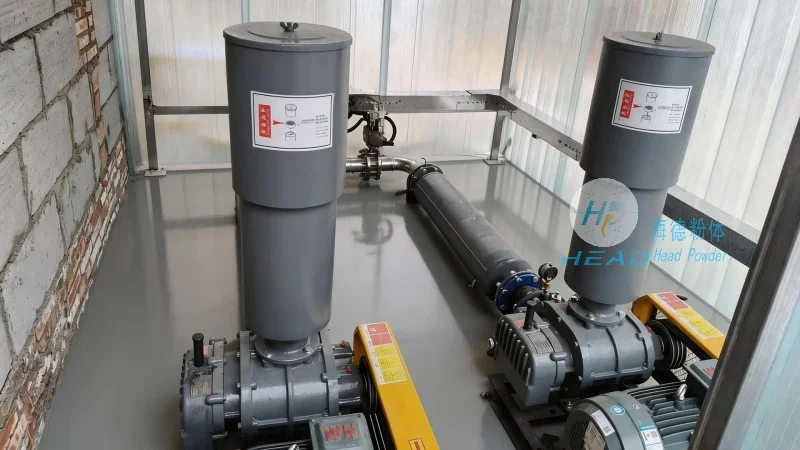
To address these pain points, Head Powder's fly ash negative pressure dust-free conveying system adopts a fully negative pressure sealed pipeline design, stabilizing internal pressure below atmospheric pressure to fully prevent dust leakage. Key components are made of wear-resistant and corrosion-resistant materials, and combined with an intelligent control module, it automatically adjusts the ash delivery rate and prevents clogging and backblowing, extending the continuous operation cycle of the equipment to over six months. The overall system reduces energy consumption by 30% compared to traditional methods, keeps noise below 75 decibels, and integrates remote monitoring and data collection functions to help customers achieve unmanned operation. Currently, the project has been operating normally for over a year, with on-site dust concentrations consistently below national emission limits, and the client's comprehensive operation and maintenance costs reduced by 40%.