

Pneumatic conveying scheme for sodium carboxymethyl cellulose
During the powder processing of sodium carboxymethyl cellulose (CMC), enterprises often face many difficulties in the transportation stage: materials are easily clumped due to moisture absorption, leading to frequent pipeline blockages; Traditional mechanical conveying equipment suffers severe wear, with high maintenance costs; Dust not only pollutes the production environment but also threatens the health of operators. These pain points directly affect production efficiency and product quality, becoming core issues that urgently need to be addressed.
Material characteristics
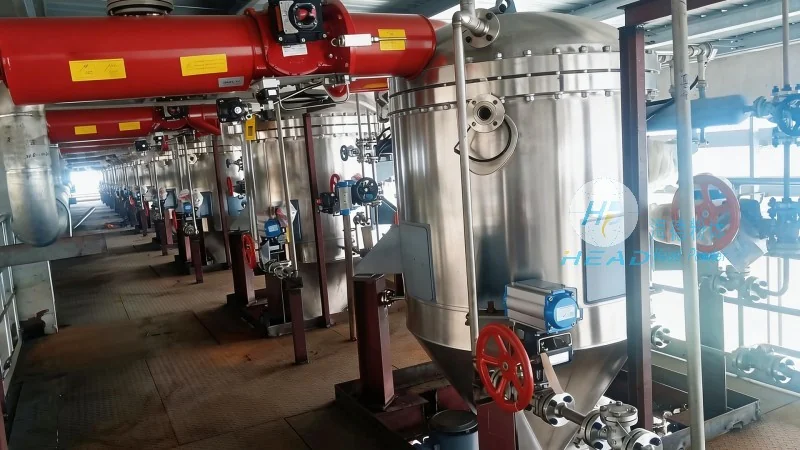
Sodium carboxymethyl cellulose is a high-molecular compound that appears as a white or pale yellow fibrous powder, with strong hygroscopicity and water solubility. Its particles are fine and have low density, easily generate static adsorption during transportation, have poor flowability, and are prone to bridging. These characteristics require the conveying system to balance sealing, moisture resistance, and low shear force to avoid material degradation or pipeline blockages.
Product Introduction
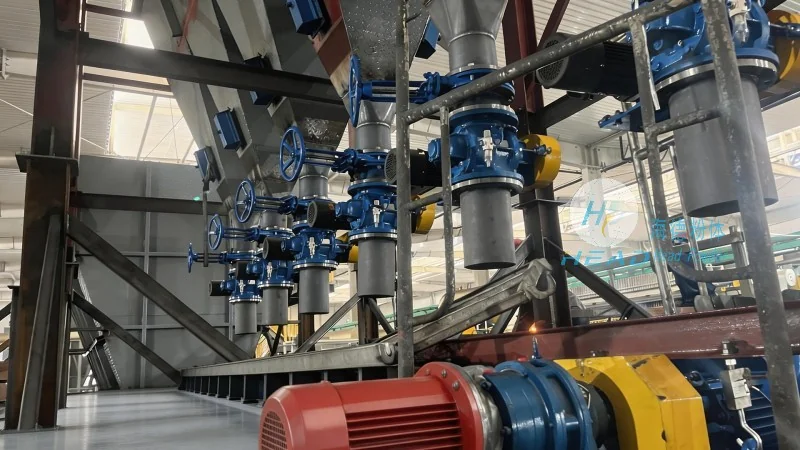
Head Powder has launched a customized pneumatic conveying system tailored to the unique properties of sodium carboxymethyl cellulose. This system uses either positive pressure dense phase or negative pressure suction processes, consisting of a feeding device, delivery pipeline, gas-solid separator, dust collector, and intelligent control system. By accurately controlling airflow velocity and material-air ratio, materials are smoothly conveyed within closed pipelines, effectively preventing moisture absorption, caking, and dust overflow. The system can be customized according to the customer's on-site conditions (such as conveying distance, capacity requirements, workshop layout), ensuring stable and reliable normal operation.
Product advantages
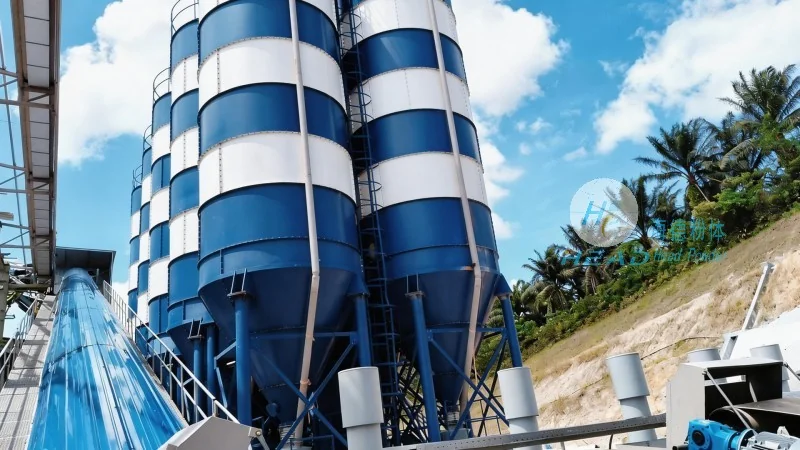
To address these customer pain points, Head Powder Solutions offers a systematic solution:
- Anti-clogging design: Adding fluidization devices and blowing interfaces at key pipeline locations, combined with low-velocity dense phase conveying, reduces material residence time inside the pipeline and suppresses caking formation.
- Fully enclosed conveying: The system is fully sealed from feeding to discharge to prevent dust leakage, improving the workshop environment, preventing moisture damage to materials, and supporting product purity.
- Low-wear structure: Uses thickened bent pipes and inner wall polishing processes, along with wear-resistant materials, to extend equipment service life and reduce maintenance frequency.
- Intelligent control: Equipped with a PLC automatic control system that monitors conveying pressure, flow, and material level in real time, allowing remote adjustment of operating parameters to achieve unmanned operation and reduce manual intervention.