

Case study: dust-free sealed quartz powder in Shaoxing, Zhejiang
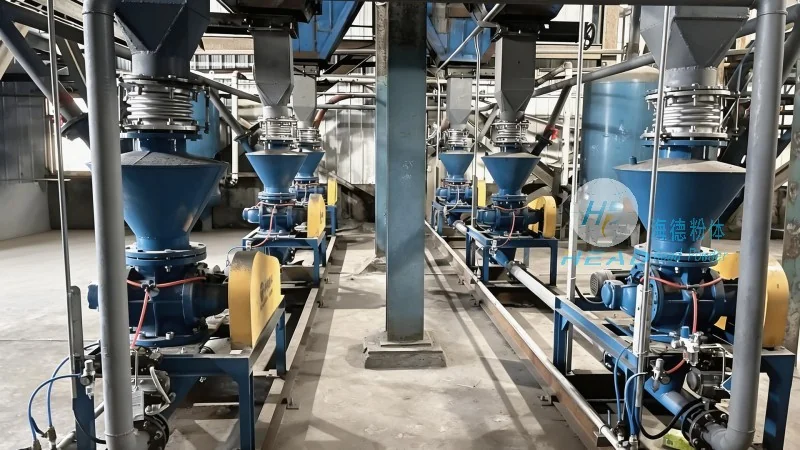
A quartz powder processing enterprise in Shaoxing, Zhejiang, has long faced dust emissions during production. The company mainly produces high-purity quartz powder, which is used in industries such as photovoltaics and electronics. Due to the large amount of dust leakage in traditional open-type conveying and packaging processes, this not only causes material loss but also affects the workshop environment and employee health. Head Powder has custom-designed a dust-free sealed system for them, achieving a fully sealed operation from crushing and conveying to packaging, effectively improving production conditions.
Customer pain points
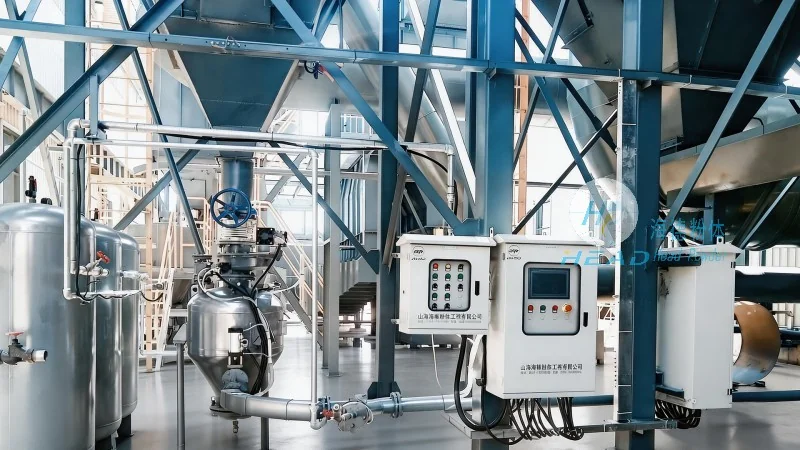
This customer encountered several practical problems during production: First, dust diffusion caused low visibility in the workshop, substandard air quality, and pressure from environmental supervision; Second, the material loss rate during transportation is relatively high, affecting cost control; Third, frequent equipment maintenance, as dust enters mechanical components, leading to higher failure rates; Fourth, occupational health risks for employees have increased, and staff turnover is high. Customers urgently need an efficient and stable dust-free solution to achieve clean production without compromising production capacity.
Product advantages
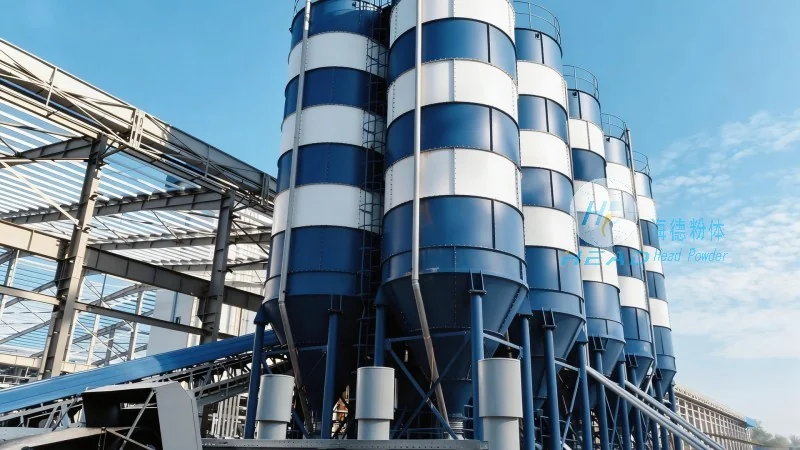
Head Powder has thoroughly analyzed the customer's production line and proposed a dust-free and airtight integrated solution. Key features include: using negative pressure sealed conveying technology to suppress dust leakage from the source; Equipped with high-efficiency dust removal and filtration equipment, exhaust emissions meet environmental standards; The overall system is highly automated, reducing manual intervention and lowering operational risks. Additionally, to address the abrasive properties of quartz powder, wear-resistant materials are selected to extend equipment service life. After implementation, dust concentration at the customer's site dropped significantly, material recovery rates improved, and the production environment was fundamentally improved.