

Example of dust-free, sealed automatic feeding for lithium battery raw materials in Zhoushan, Zheji
Against the backdrop of rapid development in the new energy industry, the production of lithium battery cathode and anode materials places high demands on the cleanliness, sealing, and automation levels of the raw material feeding process. A lithium battery materials manufacturer located in Zhoushan, Zhejiang, faced issues during capacity upgrades such as dust leakage during raw material feeding, material waste, health risks to personnel, and high equipment maintenance costs. Head Powder provides a customized dust-free, sealed automatic feeding system tailored to the company's actual working conditions, achieving fully sealed and automated operations from raw material unpacking, conveying, weighing to feeding.
Case Summary
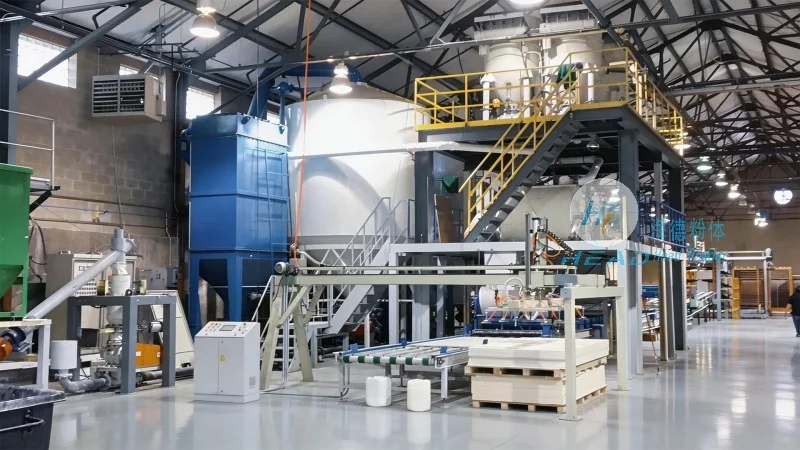
A lithium battery materials company located in Zhoushan, Zhejiang, mainly produces precursors for lithium-ion battery cathode materials. Its raw materials include fine powder materials such as lithium carbonate, lithium hydroxide, and lithium iron phosphate, which feature small particle size, easy lifting, and strong hygroscopicity. The original feeding method relied on manual unpacking and semi-open dumping, resulting in excessive dust concentrations in the workshop and raw material loss rates exceeding 3%. Frontline operators were also exposed to alkaline dust for extended periods, posing significant occupational health risks. Enterprises hope to reduce dust emissions, improve raw material utilization, and achieve data traceability during feeding through technological upgrades.
Customer pain points
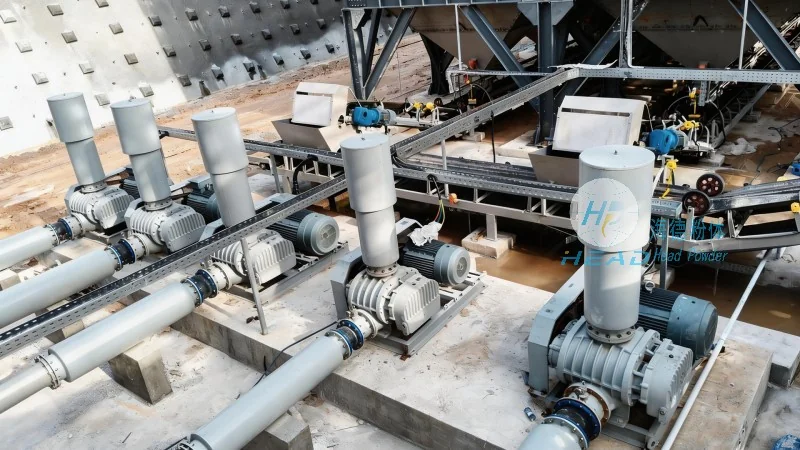
1.Dust pollution is severe: Open feeding causes micron-level lithium battery raw materials to drift in the workshop air, polluting the environment and causing dust accumulation and damage to delicate equipment components (such as sensors and electrical control cabinets).
2.High raw material loss: Manual operation makes it difficult to accurately control the amount of feeding, and residual materials during unpacking cannot be fully recovered, resulting in a comprehensive loss rate exceeding 3% and annual direct economic losses amounting to several million yuan.
3.Safety hazards are prominent: Some raw materials may release heat or be corrosive upon contact with water, and human contact may cause skin burns or respiratory irritation. Additionally, dust reaching normal concentrations poses a risk of ignition and explosion.
4.Efficiency bottleneck: Manual feeding takes about 40 minutes per batch and cannot be linked with the backend DCS system, limiting production cycles and affecting overall capacity.
Product advantages
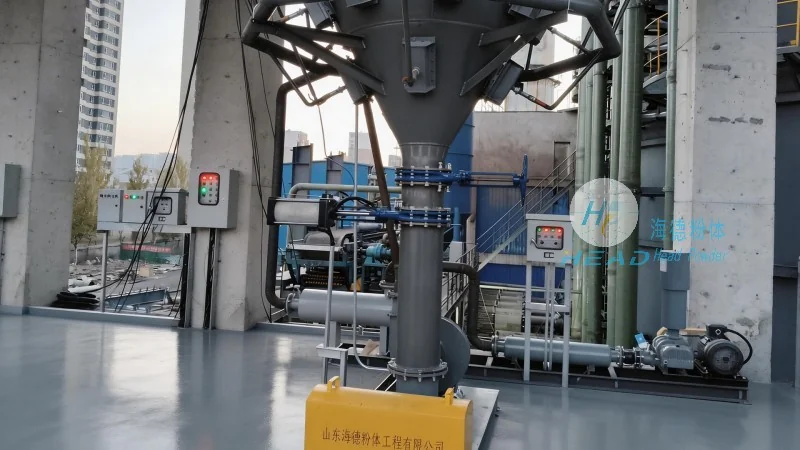
Head Powder has deployed a dust-free, sealed automatic feeding system for the company, which adopts an integrated design of "sealed unpacking + negative pressure conveying + relatively accurate weighing + automatic dust removal," fundamentally addressing the above pain points:
-Fully enclosed unpacking and conveying: Through dedicated unpacking stations and sealed pipelines, raw materials are removed from bags and enter the reactor without contact with outside air throughout the process, with dust emissions below 0.1mg/m³, meeting GMP-level cleanliness requirements.
-Intelligent weighing and automatic compensation: The system has a built-in high-precision weighing module that can monitor feed amount deviations in real time and automatically fine-tune them. Feeding accuracy is controlled within ±0.2%, and raw material loss rate is reduced to below 0.1%.
-Pulse reverse blow dust removal integration: Equipped with a pulse baghouse dust collector with ample filtration area, scheduled automatic dust cleaning, and recovered materials are directly returned to the system for reuse without manual cleaning.
-Industrial IoT interconnection: The system interfaces with the customer's MES/ERP system via the OPC UA protocol, automatically uploading data such as batch feeding, weight, and time, achieving full-process traceability and automatic generation of production reports.