

Guangxi Yulin Ceramic Powder Fully Automatic Feeding Project
In the field of ceramic powder processing, the level of automation in the feeding process directly affects production efficiency and product quality. A ceramic manufacturer located in Yulin, Guangxi, has long faced challenges such as low manual feeding efficiency, severe dust pollution, and unstable batching precision. To address these pain points, Head Powder customized a fully automated ceramic powder feeding project, integrating intelligent control systems and precise metering equipment to achieve fully automated operation from powder storage to feeding.
Project Background and Client Pain Points
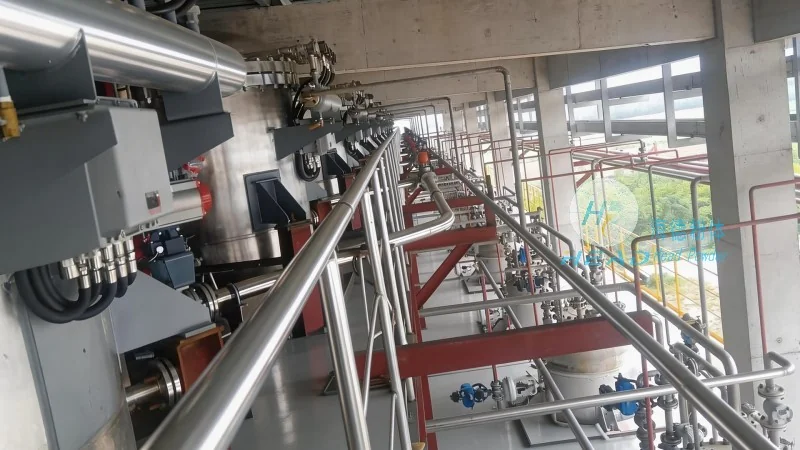
This customer previously relied on manual operations for the feeding process, which had three major problems: First, manual handling and bag unpacking caused large amounts of dust to escape, which not only endangered employee health but also increased environmental pressure; Second, large fluctuations in manual weighing errors affect formula stability and thus lead to fluctuations in finished product quality; Third, overall efficiency is low and cannot meet the demand for capacity increase. Enterprises urgently need a fully automated solution that balances environmental protection, precision, and efficiency.
Solutions and product advantages
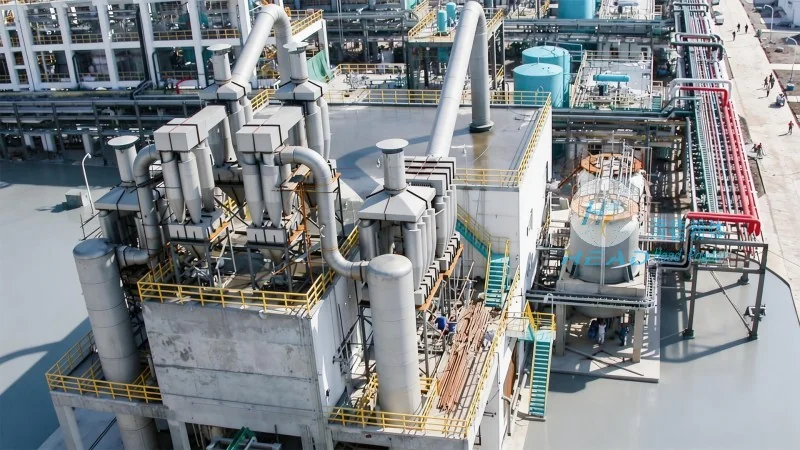
After in-depth research, Head Powder designed a fully automatic feeding system tailored to the characteristics of ceramic powders. This system is equipped with sealed conveying pipelines, high-precision weighing modules, and an automated control platform, enabling powder to be directly conveyed from the storage tank to the feeding port, ensuring a clean-free operation throughout the process. The system uses multiple sensors for real-time feedback, with feeding accuracy controlled within ±0.5%. At the same time, by integrating with the customer's MES system, automatic recording and traceability of production data were realized, reducing uncertainty caused by human intervention.
Actual operational data shows that this solution helps customers improve feeding efficiency by about 30%, reduce dust emissions by more than 95%, and maintain a batching pass rate of 99.5%. Additionally, equipment maintenance is simple, energy consumption is reduced by about 15% compared to traditional solutions, significantly saving customers long-term operational costs.