

Case study of centralized negative pressure conveying PVC powder in Cangzhou, Hebei
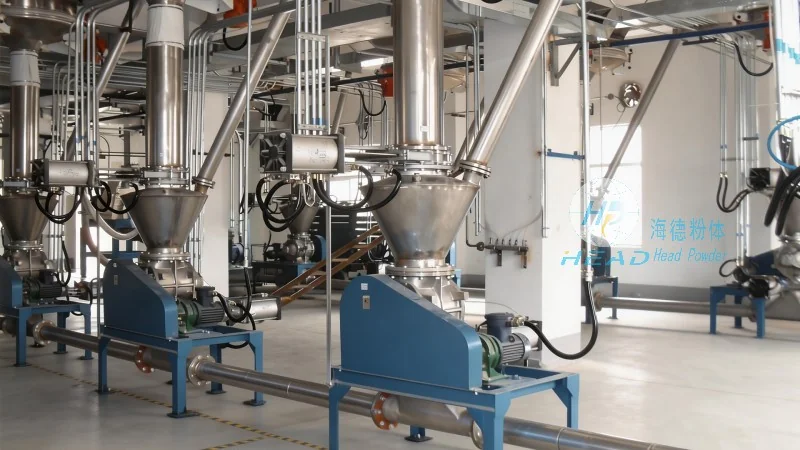
A PVC powder processing company in Cangzhou, Hebei, has adopted the negative pressure centralized conveying system provided by Head Powder, achieving fully enclosed automated operations from feeding and conveying to storage. This case successfully solved the dust pollution and inefficiency issues caused by traditional manual handling and open conveying methods, establishing a cleaner and more efficient production process for the company.
Customer pain points
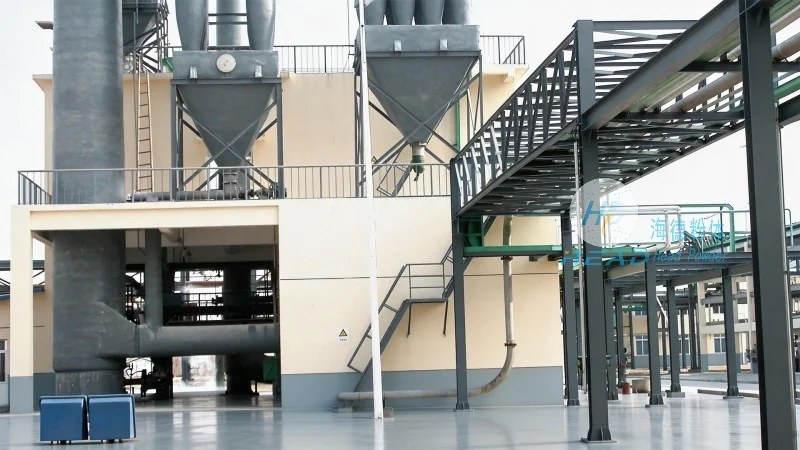
Before project implementation, the client faced the following challenges:
- PVC powder generates large amounts of dust during manual feeding and transportation, seriously polluting the workshop environment and threatening the respiratory health of operators;
- Open conveying methods lead to high material loss, with annual material waste accounting for more than 3%;
- Multiple conveying devices are managed in a decentralized manner, with many manual operation steps, high failure rates, and continuously rising maintenance costs;
- Production lines cannot achieve centralized control, production data is missing, and it is difficult to meet increasingly stringent environmental protection and lean production requirements.
Product advantages
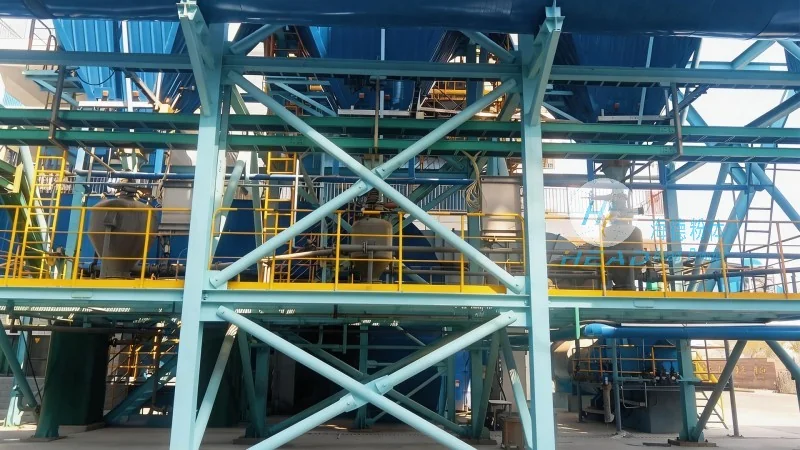
To address these pain points, Head Powder has customized a PVC powder negative pressure centralized conveying system, offering the following solutions:
- Fully enclosed negative pressure pipeline conveyor is used, maintaining a slight negative pressure inside the system to prevent dust leakage and improve workshop cleanliness by 90%;
- Equipped with an intelligent control module to enable multi-channel automatic switching and remote monitoring, supporting recipe management and reducing manual intervention;
- Combining high-efficiency cyclone separation with pulse reverse blow dust removal technology, the material recovery rate exceeds 99.5%, reducing losses;
- The modular design facilitates subsequent capacity expansion, stable equipment operation, and extended maintenance intervals to over six months.