

An automated sealed case of flour in Xi'an, Shaanxi
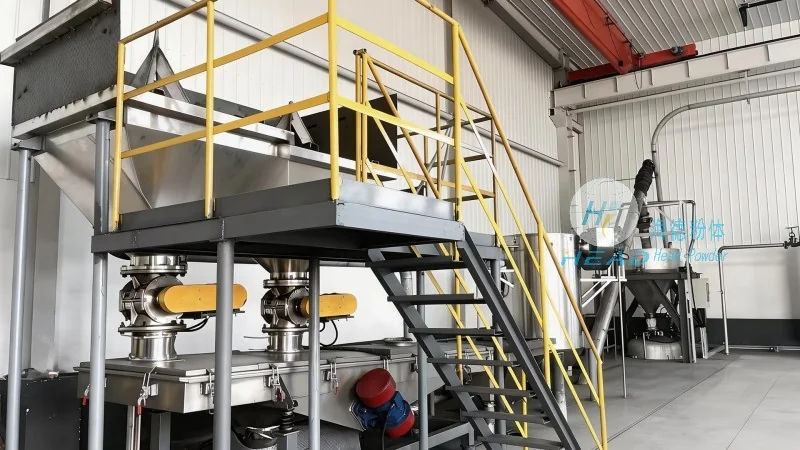
In Xi'an, Shaanxi, a flour company has long faced issues such as dust pollution, high labor costs, low production efficiency, and safety hazards. In traditional flour processing, material conveying and packaging rely heavily on manual labor, which not only disperses dust and endangers employee health, but also easily triggers dust explosion risks. At the same time, low labor efficiency and high management costs severely restrict companies' capacity improvement and sustainable development.
Customer pain points
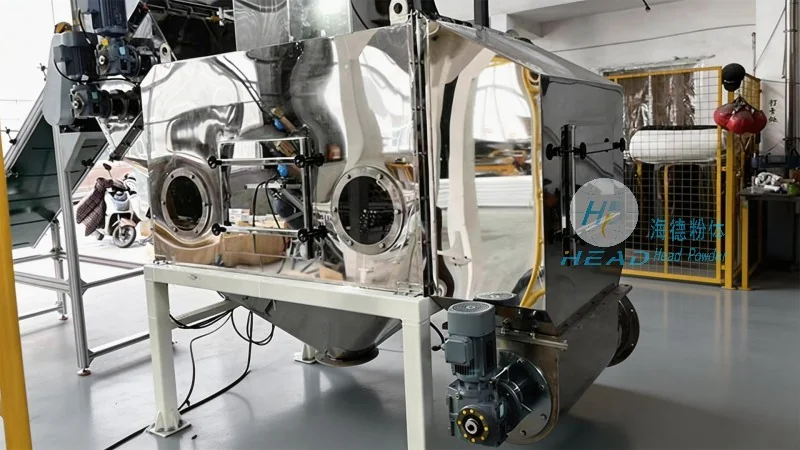
The customer mainly encountered the following difficulties during production: First, dust control was challenging, and the workshop environment was hard to meet environmental protection standards; Second, manual operation is unstable, with high error rates in weighing and packaging stages; Third, labor costs continue to rise, and recruitment is difficult; Fourth, traditional equipment has poor sealing and severe material loss. These pain points drive companies to seek more reliable and efficient automated sealing solutions.
Solution
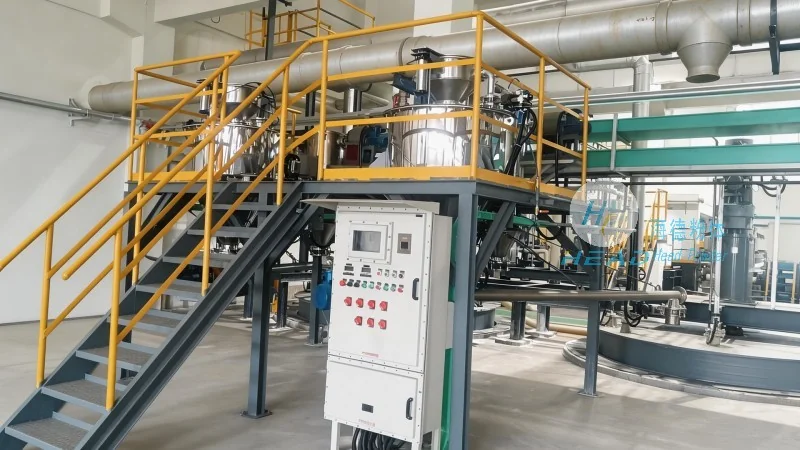
To address these pain points, our company has designed and implemented an automated flour sealing system tailored for them. This system uses a fully enclosed pipeline pneumatic conveying process, combined with a high-efficiency pulse dust removal device, to prevent dust leakage from the source. At the same time, the system integrates an intelligent PLC control system, enabling full-process automated operations from raw material intake, conveying, and weighing to packaging. With more accurate weighing modules and automatic bag clamping devices, human error is reduced, improving packaging precision and speed. Additionally, the system is equipped with multiple safety interlock protections to help automatically shut down machines under abnormal operating conditions, supporting production safety.
After the project was implemented, the dust concentration in the company's workshop decreased, meeting national environmental protection standards; Production efficiency increased by about 40%, labor costs decreased by 60%, and material loss rates dropped below 0.1%. The entire system operates stably and reliably, providing strong support for cost reduction, efficiency improvement, and safe production for enterprises.