

Case Study of Long-distance Silo Pump Conveying of Rubber and Plastic Powder in Bengbu, Anhui
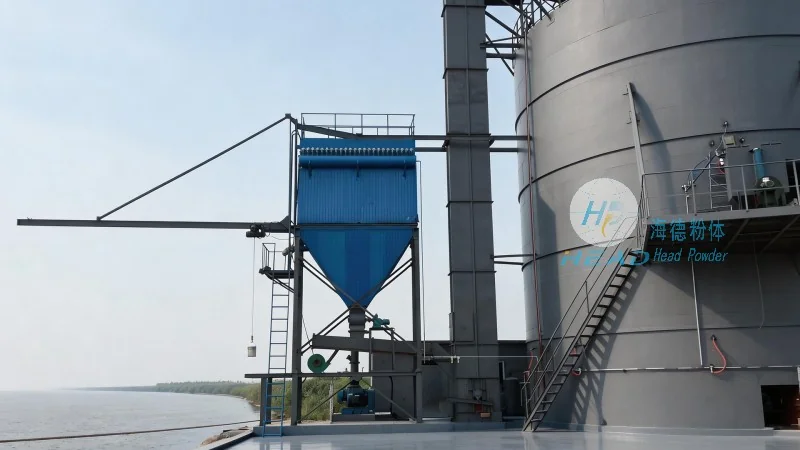
A rubber and plastic products company in Bengbu, Anhui needs to transport rubber and plastic powders (such as PVC powder, calcium carbonate, carbon black, etc.) from raw material silos to multiple production stations during production, with a conveying distance exceeding 200 meters. Due to limited on-site space, traditional mechanical conveying methods cannot meet these requirements. Head Powder has customized a silo-pump pneumatic conveying system for the company, enabling long-distance, sealed, and efficient powder delivery, solving the challenges of material transfer during production.
Customer pain points
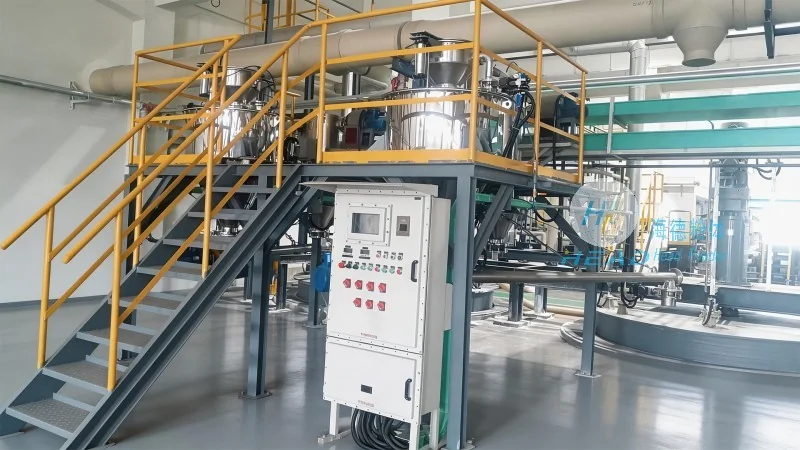
The company's original conveying method faced multiple problems: First, mechanical conveying equipment (such as screw conveyors and bucket elevators) suffered severe wear and frequent maintenance over long distances, affecting production efficiency; Second, severe dust leakage during transportation leads to a harsh workshop environment and poses occupational health risks; Third, traditional methods consume high energy and cannot achieve multi-point accurate batching, limiting the automation upgrade of production lines. Customers urgently needed a solution that could support stable long-distance conveying while balancing environmental protection and energy efficiency.
Product advantages and solutions
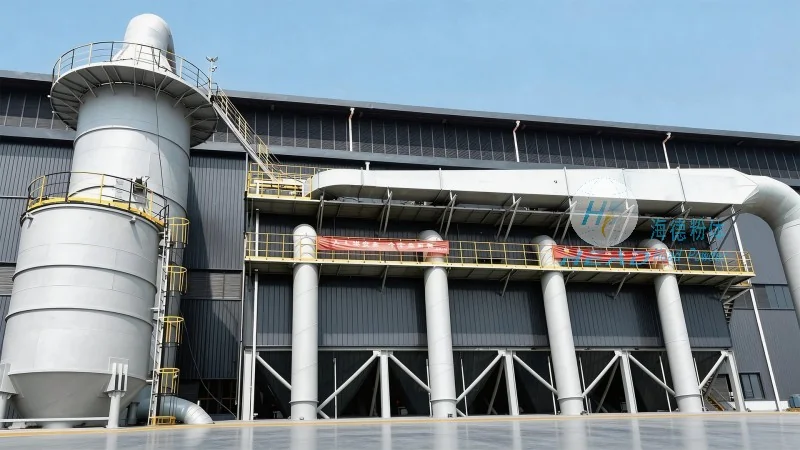
Head Powder has designed a concentrated phase pneumatic conveying system based on a silo pump based on the customer's material characteristics (particle size, humidity, flowability, etc.) and on-site conditions. The system adopts a low-flow, high-concentration conveying mode, effectively reducing pipeline wear and energy consumption; It is also equipped with an intelligent control module that can monitor parameters such as conveying pressure and material-gas ratio in real time, ensuring a smooth and reliable conveying process. After the project was implemented, there was no blockage within 300 meters of conveying distance, dust emission concentration was below 10mg/m³, energy consumption was reduced by about 30% compared to traditional methods, and multi-station automatic batching was achieved, improving production line efficiency.