

Xiamen Plastic Pellet Low Crushing Conveying Project, Fujian
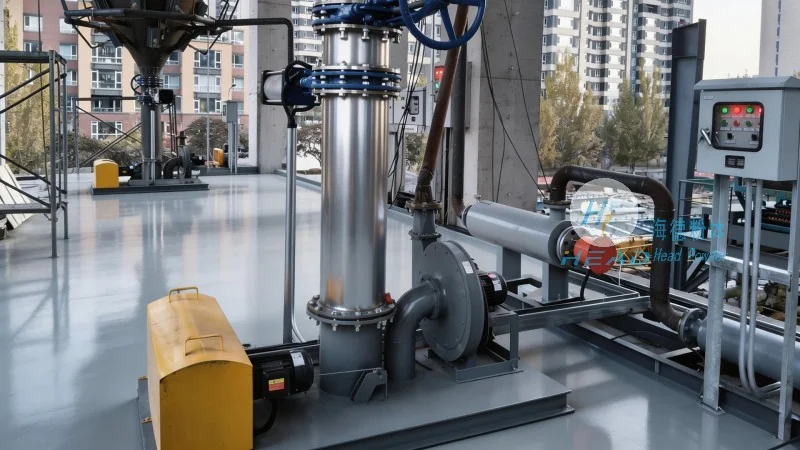
In Xiamen, Fujian, a plastic pellet processing company faced a high crushing rate during material transportation, seriously affecting product quality and production efficiency. Head Powder addresses this pain point by providing a customized low-crushing conveying system solution. This solution optimizes the conveying path, reduces material drops, and uses flexible contact components, effectively minimizing mechanical damage to plastic pellets during conveying, improving pellet integrity, while also reducing dust generation and improving the workshop working environment.
Customer pain points
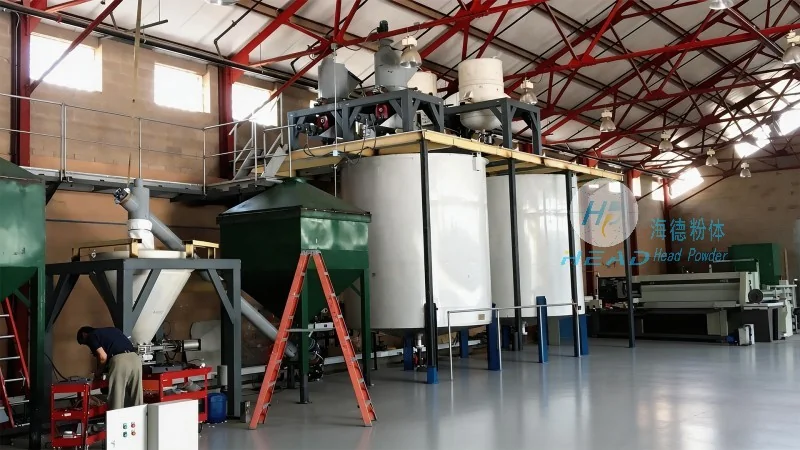
During production, customers found that traditional conveying equipment had significant impact and friction on plastic pellets, resulting in cracks, defects in edges and corners, and even overall breakage, with the crushing rate maintaining a high level over time. This not only increases raw material waste but also requires additional screening and material return in subsequent processing steps, raising overall costs. In addition, fine powder generated from crushing tends to accumulate inside pipelines and equipment, requiring frequent cleaning and significant maintenance workload. Customers urgently needed a solution that could support conveying efficiency while significantly protecting pellet integrity.
Product advantages
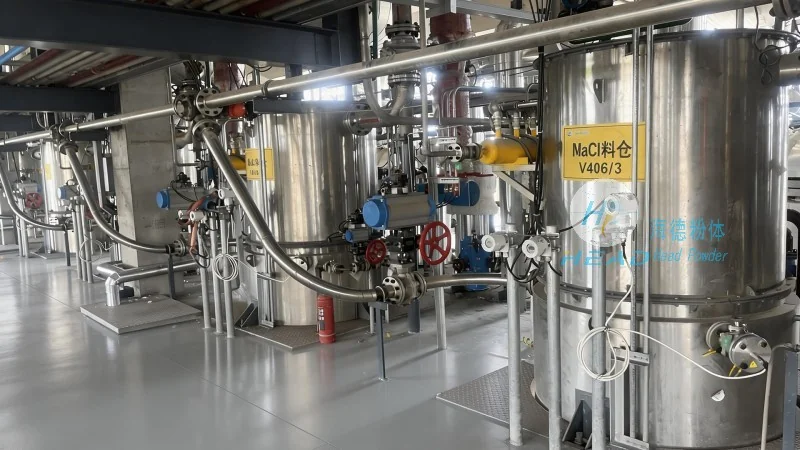
To address these pain points, Head Powder has designed an overall solution for low-crushing conveying engineering. Its main advantages are: combining pneumatic and mechanical conveying, allowing for more accurate control of airflow speed and material-air ratio to avoid high-speed impacts; Buffer devices and flexible liners are installed at key discharge points to reduce hard contact; The inner wall of the pipeline undergoes special treatment to reduce the coefficient of friction; The system is equipped with an intelligent speed control module that can automatically adjust conveying parameters according to material characteristics. After implementation, the particle crushing rate at the customer's site dropped by about 60%, conveying energy consumption decreased simultaneously, and equipment failure rates significantly decreased, achieving stable, continuous, and low-loss material flow.