

Case Study of High-Purity Alumina Powder Conveying in Hangzhou, Zhejiang
In a project at an alumina powder manufacturer in Hangzhou, Zhejiang, the transportation of high-purity alumina powder faces numerous challenges. Head Powder designed and implemented a fully enclosed pneumatic conveying system for it, effectively supporting powder purity and conveying efficiency. The following is a specific case study.
Case Summary
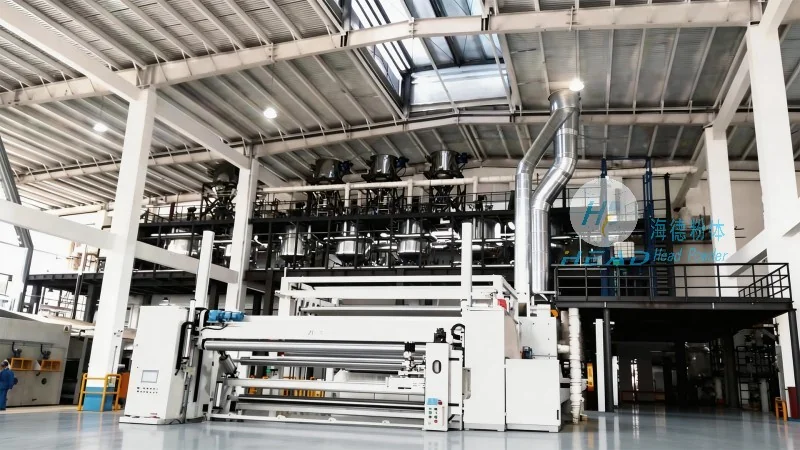
A certain company mainly engages in the research and production of high-purity alumina powder, with products widely used in electronic ceramics, lithium battery separator coatings, and fine polishing fields. Due to the strict purity grade requirements for its powder (main content above 99.99%), traditional mechanical conveying methods cannot avoid secondary contamination and material damage, urgently requiring a more stable and cleaner conveying solution.
Customer pain points
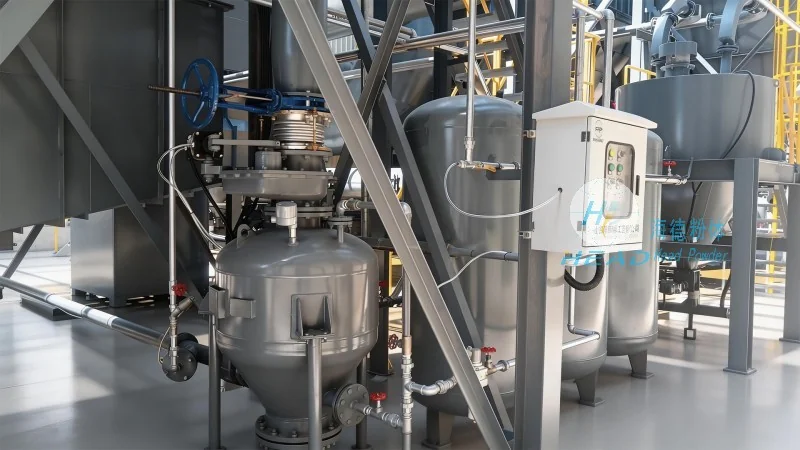
1. Contamination risk: Contact conveying equipment easily introduces metal impurities, affecting product purity and leading to higher defect rates.
2. Material damage: During conveying, alumina particles produce fine powder due to collision and friction, reducing yield rates.
3. Blockage and dust: Poor powder flowability easily causes pipeline blockages, and open conveying generates large amounts of dust, endangering the environment and employee health.
4. Energy Consumption and Maintenance: Traditional screw conveyor equipment has high energy consumption and wear, and frequent shutdowns for maintenance affect production efficiency.
Product advantages
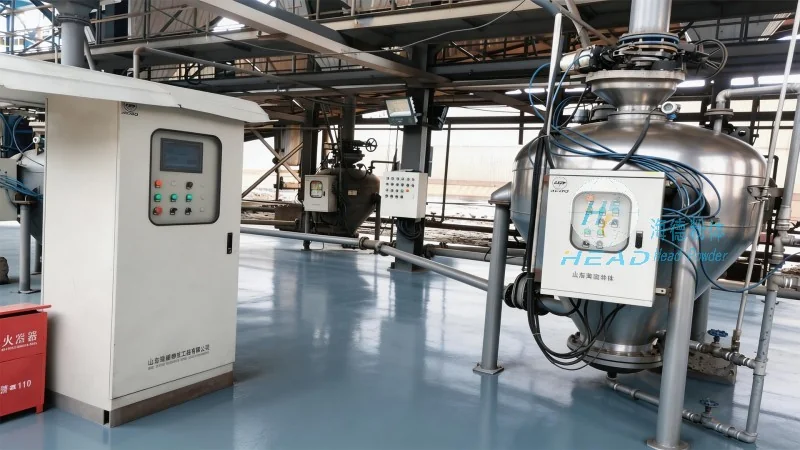
To address these pain points, Head Powder offers a fully enclosed positive pressure pneumatic conveying system, offering the following core values:
1. Fully sealed conveying: Stainless steel pipes and sealed joints are used to prevent external impurities from entering, helping to maintain high powder purity without compromise.
2. Low Damage Design: Through gas-solid ratio optimization and low-speed conveying technology, it reduces particle collision force, with a measured breakage rate below 0.5%.
3. Anti-clogging structure: Equipped with a fluidized blow-assist device and anti-arch silo to support smooth powder flow, and equipped with a pulse back-blowing dust removal system to achieve low emissions.
4. Intelligent control: PLC automatically adjusts conveying pressure and flow, supports remote monitoring, reduces manual intervention, and lowers energy consumption by about 20% compared to traditional methods.