

Fujian Xiamen Milk Powder Anti-Static Conveying Project
A milk powder manufacturer in Xiamen, Fujian, faced issues such as static electricity adsorption caused by friction during delivery of powdered milk powder during transportation, pipeline blockages, and potential dust explosion risks. The company commissioned Head Powder to design and implement an anti-static milk powder delivery system to support production safety and efficiency.
Customer pain points
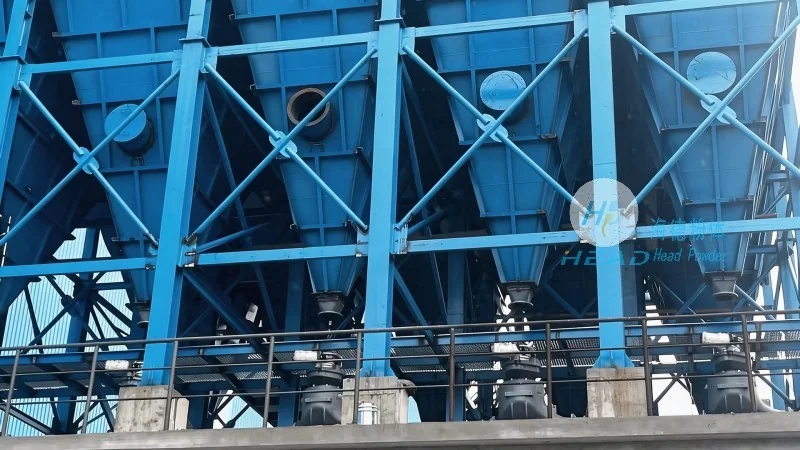
Powdered milk powder has fine particles and low moisture content, making it prone to generating a large amount of static electricity due to friction during pneumatic conveying. Static electricity not only causes the formula to adhere to the tube walls, leading to material loss and cleaning difficulties, but may also trigger safety accidents such as dust explosions. At the same time, traditional conveying equipment lacks effective grounding and static elimination measures, making it difficult to meet the strict cleanliness and safety requirements of the food industry.
Solutions and product advantages
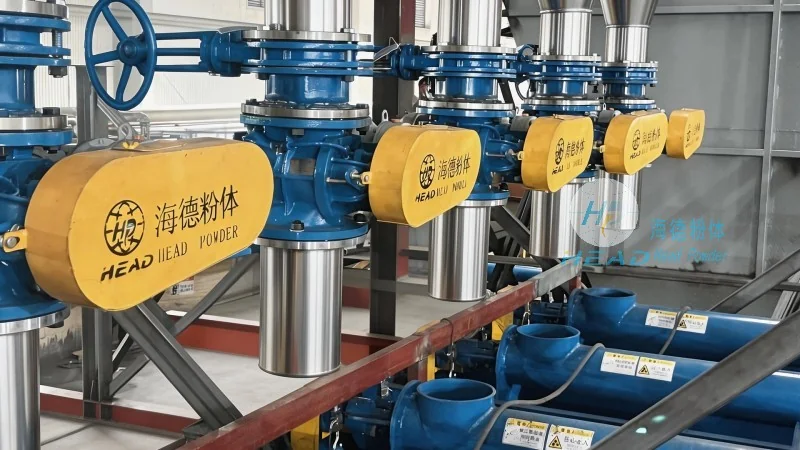
Head Powder addresses customer pain points by providing a comprehensive anti-static conveying solution. The solution uses stainless steel pipes with good conductivity and is equipped with a dedicated electrostatic grounding device, which helps release the charge promptly during transportation. Additionally, static eliminators are installed at key points, combined with optimized airflow velocity and piping design, reducing static electricity at the source. The system also features real-time monitoring capabilities, allowing dynamic adjustment of operating parameters to further reduce static electricity risks.
Project Results
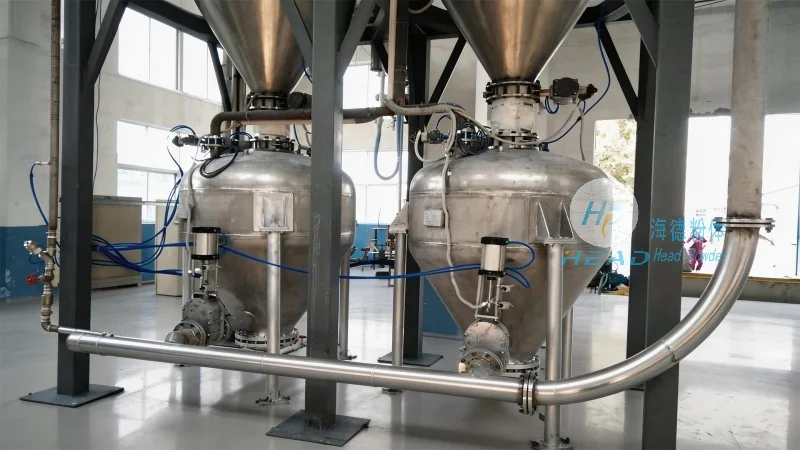
After the project was implemented, static electricity issues during milk powder transportation were effectively controlled, the frequency of pipeline blockages decreased, material loss decreased, and production safety and continuity were improved. Customers have reported that the system operates stably, is easy to maintain, and better meets their capacity and quality requirements.