

Example of leak-free pneumatic conveying of lithium battery precursor powder in Xianyang, Shaanxi
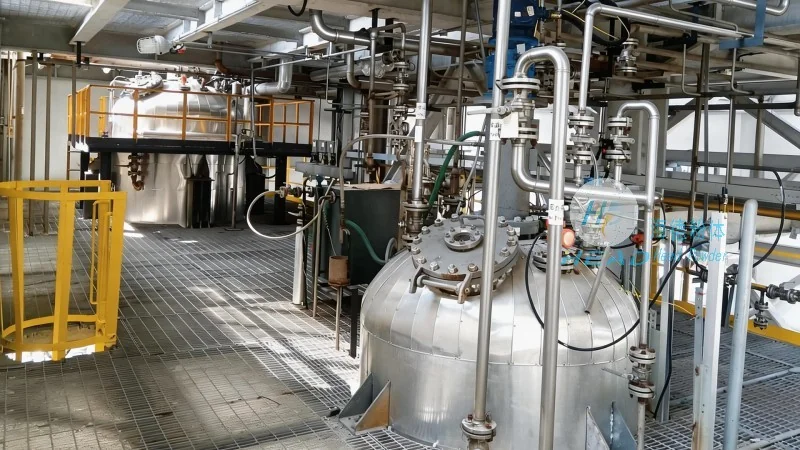
A certain company undertook a precursor powder pneumatic conveying project for a lithium battery material manufacturer in Xianyang, Shaanxi. This production line requires stable conveying of high-value lithium battery precursor powder from the raw material silo to downstream processes, requiring the system to be fully sealed and leak-free to avoid material loss and environmental pollution. A company designed and implemented a complete pneumatic conveying system based on on-site working conditions to meet the client's stringent requirements for clean production and material recovery.
Customer pain points
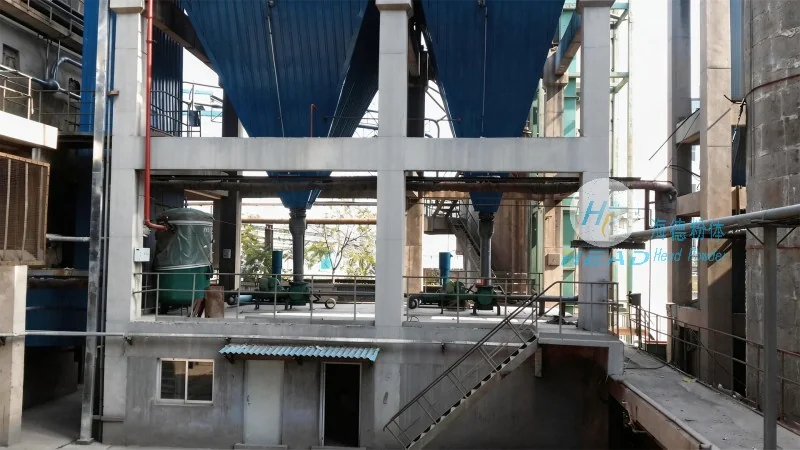
Lithium battery precursor powder is characterized by fine particle size, easy dust generation, and generally hygroscopicity. The original conveying method had the following problems: (1) Severe material leakage during transfer, not only causing raw material waste but also causing excessive dust concentration in the workshop; (2) Some powders accumulate due to moisture absorption and clumping, affecting subsequent reaction uniformity; (3) Frequent equipment maintenance, short seal replacement cycles, and downtime affecting production capacity; (4) Traditional conveying solutions cannot achieve multi-point accurate feeding, resulting in low automation.
Product advantages
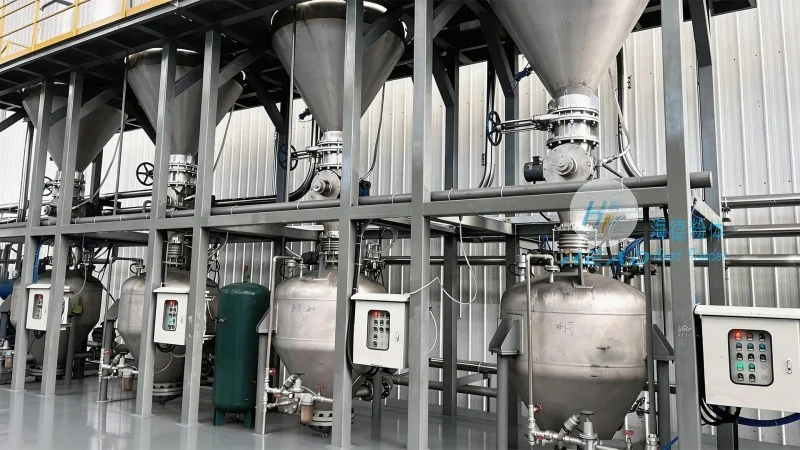
A company addressed these pain points by providing a leak-free pneumatic conveying solution combining negative and positive pressure. Uses fully enclosed pipelines + rotary feeders + high-efficiency gas-solid separation units to prevent powder leakage at the source; The system is equipped with active moisture-proof nitrogen protection to effectively reduce moisture absorption risks; Key seals are made of wear-resistant and corrosion-resistant materials, extending their service life; At the same time, integrated PLC automatic control allows real-time adjustment of conveying speed and mixing ratio, achieving stable multi-point feeding. After commissioning, the material recovery rate increased to over 99.5%, workshop dust concentration was below national hygiene standards, and overall equipment efficiency improved by about 30%.