

Jiangsu Changzhou soda ash negative pressure sealed pneumatic conveying project
In the soda ash conveying segment of a chemical enterprise in Changzhou, Jiangsu, a certain company (hereinafter referred to as "our company") successfully implemented a negative pressure sealed pneumatic conveying system. This project aims to solve problems such as moisture, dust buildup, and equipment blockages in traditional soda ash transportation. Through a fully sealed negative pressure design, it achieves clean, efficient, and stable material transfer.
Case Summary
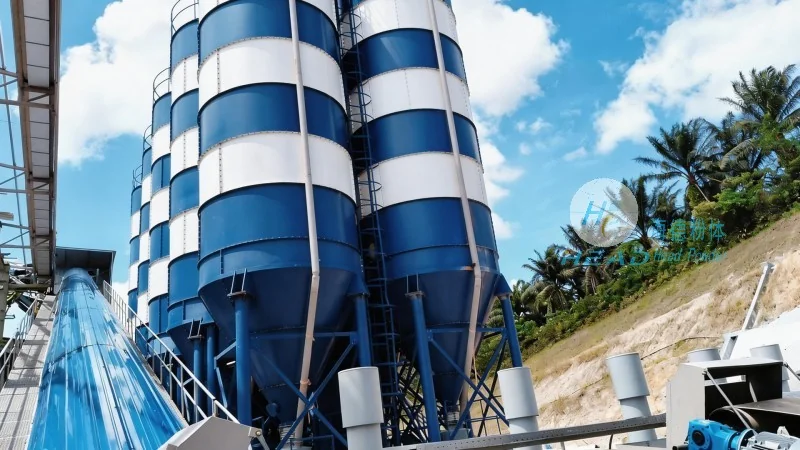
This project serves a large soda ash producer in Changzhou, Jiangsu, whose production line has high requirements for soda ash delivery capacity and cleanliness. Based on on-site conditions, our company customized a negative pressure sealed pneumatic conveying solution. After the system was operational, not only was the frequency of manual intervention reduced, but the workshop environment was also significantly improved.
Customer pain points
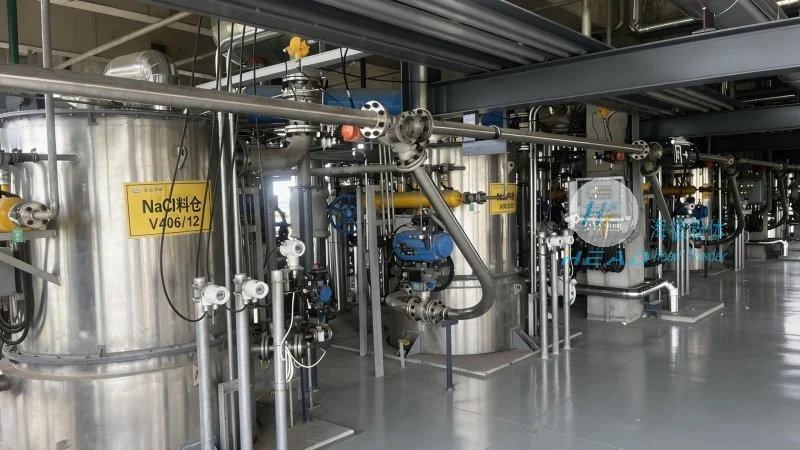
Customers faced three core pain points in the existing soda ash conveying process: First, soda ash is highly hygroscopic, and traditional open-door conveying easily causes material caking, affecting subsequent processes; Second, severe dust leakage causes material loss and threatens operator health and equipment safety; Third, the conveying lines are long and have many turning points, causing frequent material blockages in ordinary mechanical conveying equipment, resulting in high maintenance costs.
Product advantages
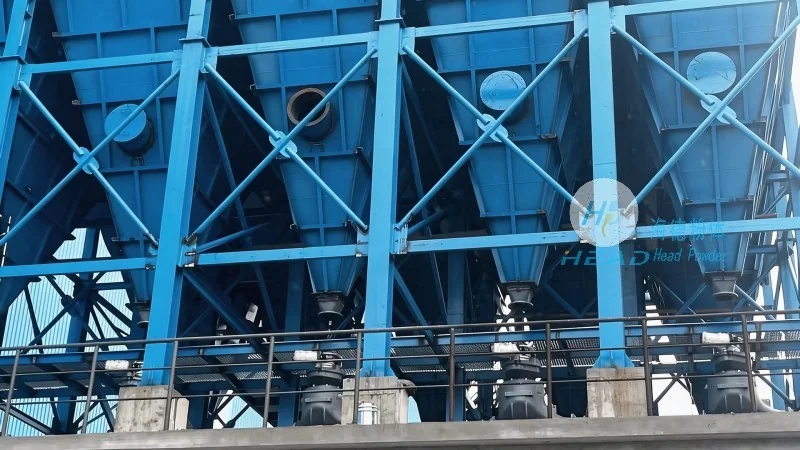
To address these pain points, our company's negative pressure sealed pneumatic conveying system offers the following advantages:
- Fully enclosed negative pressure environment: Materials are propelled inside the pipeline by negative pressure airflow to prevent dust leakage and prevent soda ash from absorbing moisture and causing caking.
- Flexible pipeline layout: adaptable to long-distance and multi-elbow conditions, ensuring smooth system operation and reducing the risk of material blockage.
- Low energy consumption and low noise: Utilizes efficient negative pressure sources and intelligent control strategies, reducing energy consumption by about 15% compared to traditional equipment, with operating noise controlled below 70 decibels.
- Easy maintenance: The system features modular design, allowing key components to be quickly assembled and disassembled, resulting in long maintenance cycles and low spare parts costs.