

Case study of low-crushing transportation of catalyst powder in Zhanjiang, Guangdong
During catalyst production, the integrity of powder particles directly affects product performance. A catalyst manufacturer in Zhanjiang, Guangdong faced particle crushing issues during powder conveying. Head Powder provided a customized pneumatic conveying solution, achieving low crushing rates and highly efficient, stable material delivery.
Case Summary
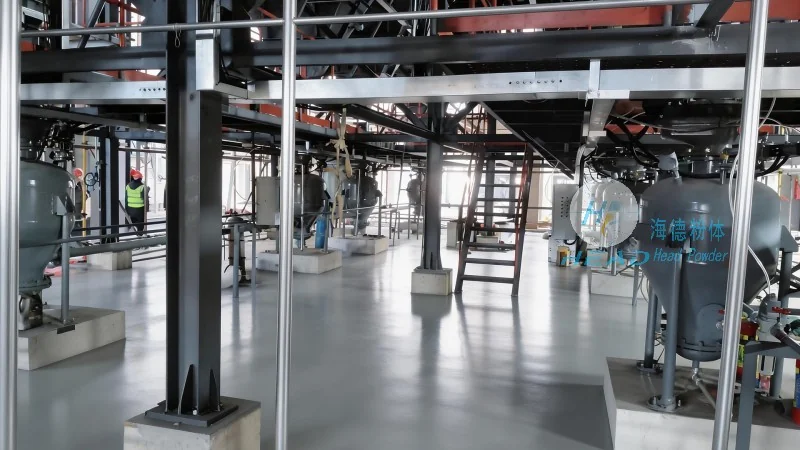
A catalyst manufacturer has a production base in Zhanjiang, Guangdong, mainly producing high value-added catalyst powders. This powder particle has strict requirements for shape and particle size distribution; any mechanical damage will lead to a decrease in catalytic activity. The company's original mechanical conveying equipment frequently caused particle breakage during transfer, significantly affecting the product pass rate.
Customer pain points
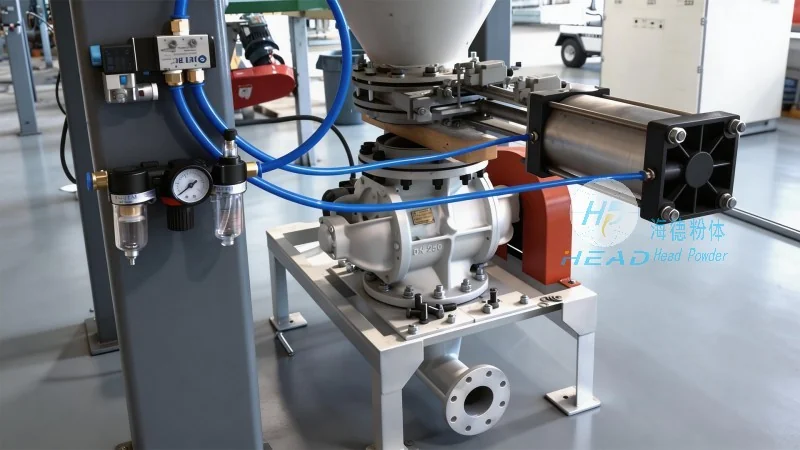
Customers face three major challenges in powder conveying: first, traditional screw conveyors and bucket elevators exert significant pressure and impact on particles, resulting in excessively high crushing rates, with some batches exceeding 5%; Second, severe dust flying during conveying not only causes material waste but also affects the production environment and operator health; Third, equipment wears out quickly, maintenance costs remain high, and frequent shutdowns for maintenance affect production continuity. Companies are eager to find solutions that both enhance pellet integrity and enable sealed, low-loss conveying.
Product advantages
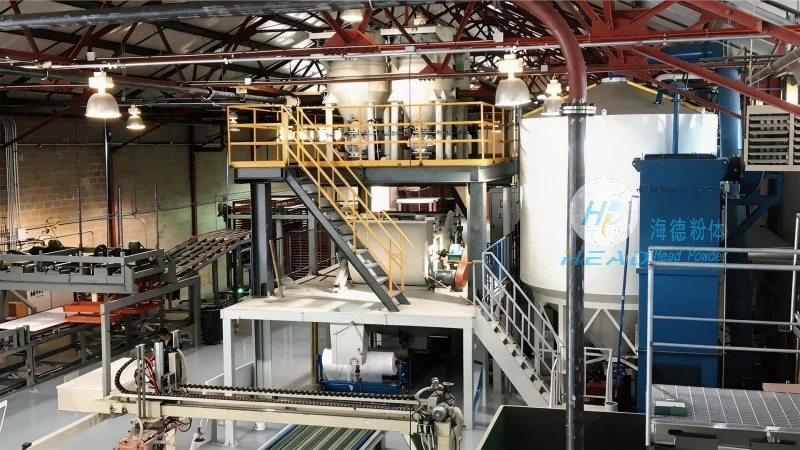
Head Powder addresses customer pain points by adopting a low-pressure dense phase pneumatic conveying system. This system allows the powder to move smoothly inside the pipeline in a "plug flow" pattern by accurately controlling the gas-solid ratio and conveying speed, greatly reducing collisions between particles and between particles and the pipe wall. In practical applications, the breakage rate of catalyst powder is below 0.5%, far exceeding customer expectations. At the same time, the system adopts a fully enclosed pipeline design, preventing dust leakage and improving the on-site environment. The conveying pipeline is made of wear-resistant alloy materials, and combined with optimized elbow structures, significantly extends the equipment's service life. The automated control system can adjust process parameters in real time based on material characteristics and conveying distance, helping ensure stable and reliable conveying and easy maintenance.