

Case Study of Leak Prevention and Delivery of Waste Incineration Fly Ash in Hefei, Anhui
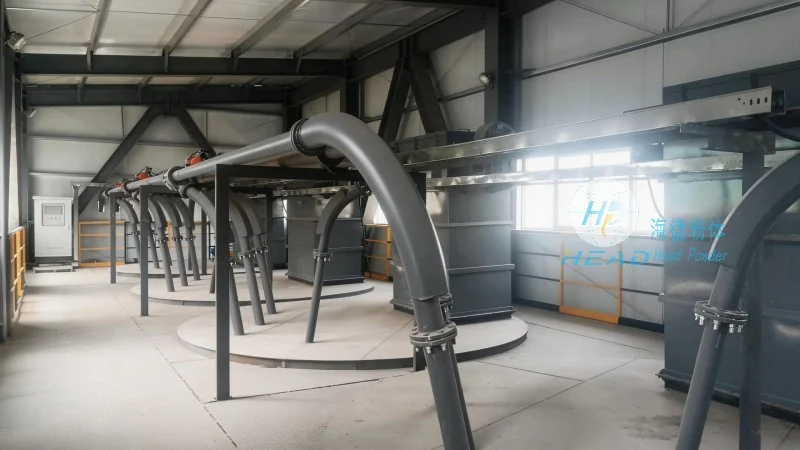
A waste-to-energy plant in Hefei, Anhui, faces severe leakage prevention challenges in the fly ash treatment process. To meet environmental regulations and safety production requirements, the plant introduced a fly ash leakage prevention conveying system provided by Head Powder, achieving sealed and automated transfer from ash storage to comprehensive utilization or landfill stages. This example demonstrates in detail the system's application effectiveness and technical advantages.
Customer pain points
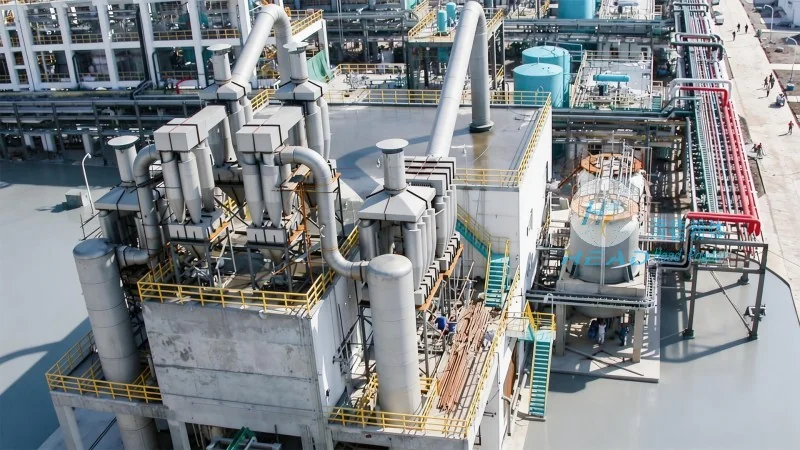
Due to its small particle size, low density, easy dust emissions, and the presence of heavy metals and other harmful substances, traditional transportation methods have the following issues:
1. Severe material leakage: Open or semi-enclosed transport leads to fly ash overflow, resulting in excessive dust concentration in the production environment and threatening employee health.
2. Fast equipment wear: Fly ash is highly abrasive, and conventional conveying equipment is frequently damaged, significantly increasing maintenance costs.
3. High environmental risks: Leaked fly ash may contaminate soil and water sources, leading to penalties from environmental authorities and reputational damage.
4. High Dependence on Manual Labor: Lack of automated cleaning and monitoring methods, relying on manual inspection and cleaning, resulting in low efficiency and prominent safety risks.
Product Advantages (Solutions)
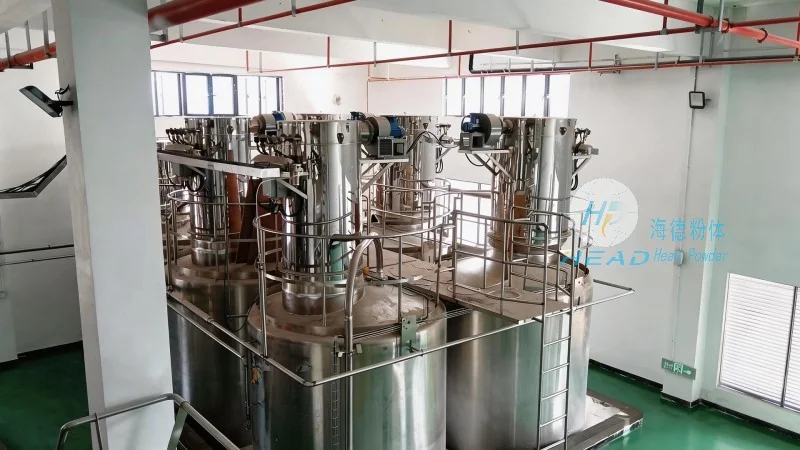
To address these pain points, Head Powder has customized a fully enclosed pneumatic conveying system for the plant, with core solutions including:
1. Positive pressure dense phase conveying technology: Uses low-speed, high-concentration conveying methods to reduce gas flow velocity, minimizing friction between materials and pipe walls at the source, and delaying pipeline wear.
2. Multi-stage sealing and negative pressure dust suppression: Equipped with pneumatic sealing valves, expansion joints, and negative pressure dust collection devices at discharge, transfer, and storage nodes, helping maintain a micro-negative pressure inside the system and preventing dust leakage.
3. Intelligent control and online monitoring: Integrated PLC automatic control system for real-time monitoring of material level, pressure, and flow, equipped with fault warning and automatic reverse blowing and blockage clearing functions to reduce manual intervention.
4. Wear-resistant materials and optimized piping: The conveying pipeline uses ceramic or alloy inner linings with wear-resistant layers, and the elbows feature removable wear-resistant designs to enhance equipment lifespan.
After the system was put into operation, dust concentration in the plant area dropped below national standard limits, equipment maintenance intervals were extended by more than threefold, and the entire system achieved 24-hour unattended normal operation, providing reliable support for the safe and environmentally friendly transportation of fly ash from waste incineration.